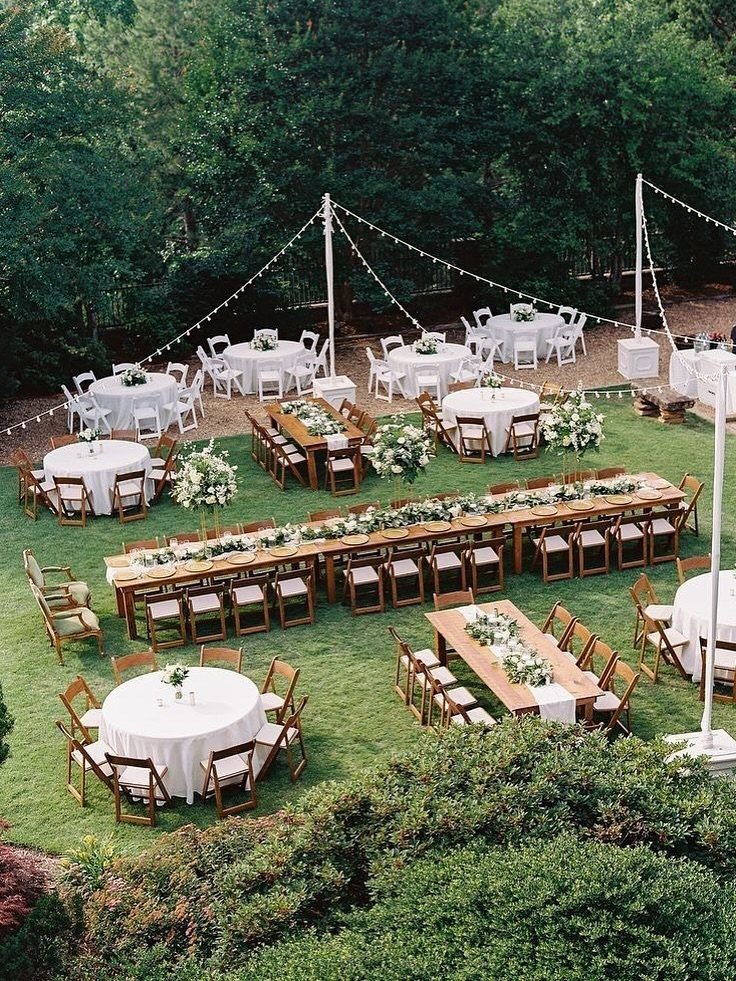
Wedding table layouts run from the familiar rounds your grandmother expects to serpentine curves that turn the table itself into sculpture, and the one that belongs in your room depends on whether you need guests seated for a full dinner or free to mingle between passed plates.
The same 6-foot stretch fits eight at a banquet table but only six to eight at a trestle, so the shape decides the count before you ever pull out a chair.
1. Mixed Layouts
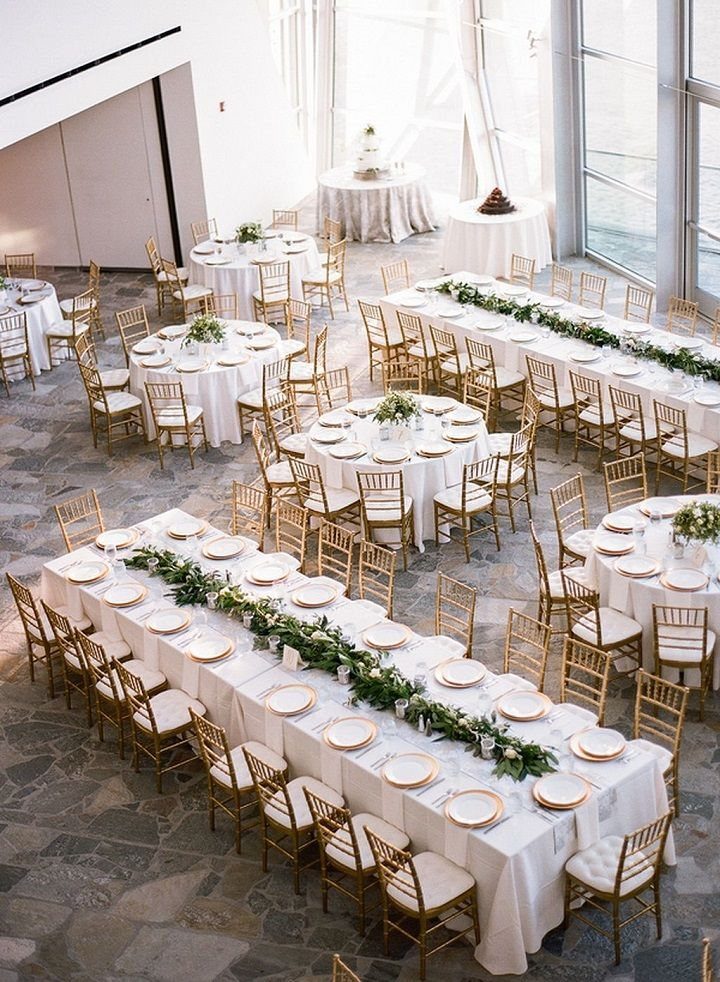
A straight head table across the front of the room, with round tables filling the rest of the floor, lets you seat the wedding party together while guests keep the familiar shape they already know.
Each does a different job: the rectangle draws eyes and hosts a head table, while rounds keep conversation natural at every seat.
Most seat planners let you drag a rectangle straight and add chairs to both edges automatically, so the head table and the rounds around it fit on one layout without syncing two separate diagrams.
You can put college friends at one long table and grandparents at a quiet round in the corner; the mix keeps a room from feeling stiff.

Quality HDPE Material: Crafted from superior quality High-Density Polyethylene material for superior durability and longevity. It could withstand rigorous and frequent use, making the table an excellent long-term investment

[One-Piece Design] Table cover and skirt are integrated into one design, eliminating the need for tedious matching. The delicate ruffled trim creates a stylish and elegant appearance, while the floor-length skirt effortlessly conceals clutter, ensuring a clean, professional, and refined setup for any occasion.

Premium Quality Material: Our table clothes are made from high-quality polyester fabric and excellent workmanship, ensuring durability and longevity.
2. All Round Tables
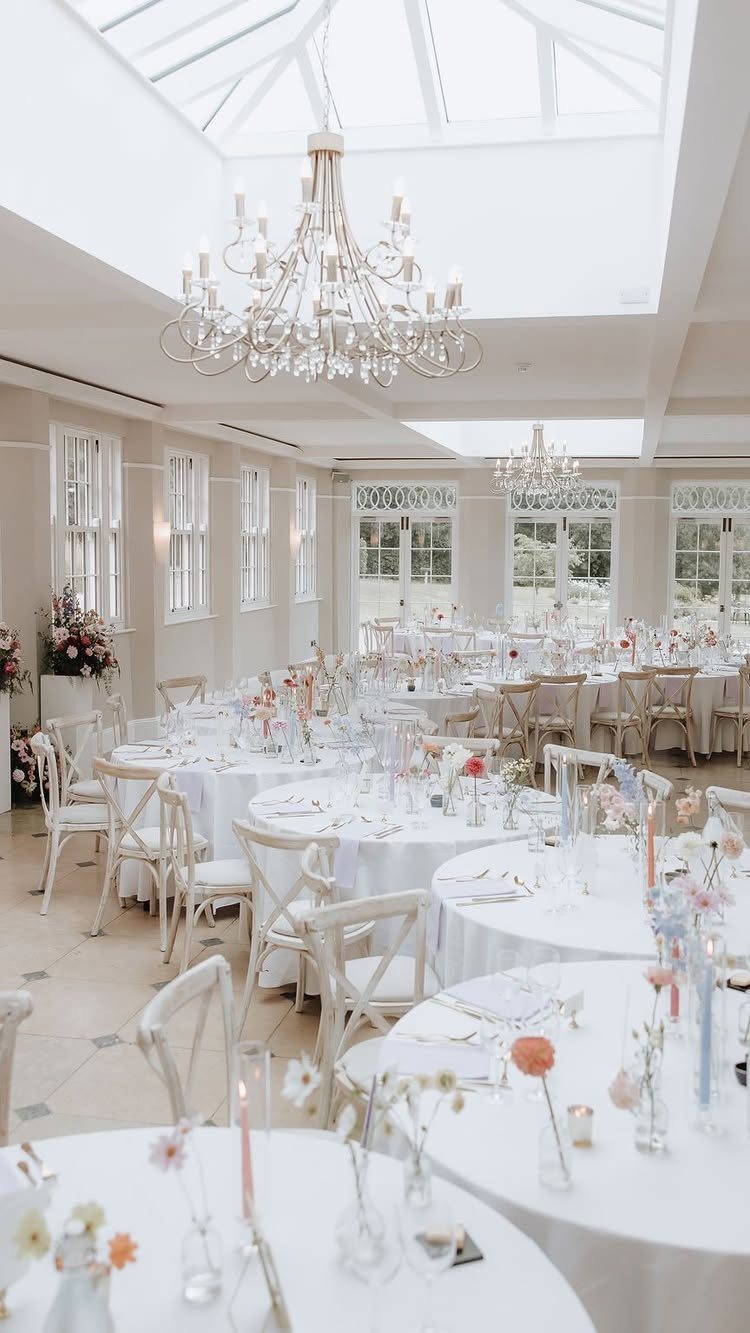
A 1.8-meter banquet table seats 8 to 10 guests, with eight as the comfortable number for standard service. For a more intimate celebration, the predictability becomes a relief rather than a constraint.

Premium Polyester Fabric: Made from 100% durable polyester material, these table clothes are soft, durable, and suitable for multiple uses.

COMMERCIAL GRADE FOLDING TABLE: 60" round plastic tabletop seats 8-10 guests. Perfect for hotels, banquets, backyard parties, classrooms, and conferences. 45mm thick durable plastic top handles heavy loads with ease. 29" standard banquet height. Holds up to 330 lbs static weight. Arrives fully assembled - straight out of the box.
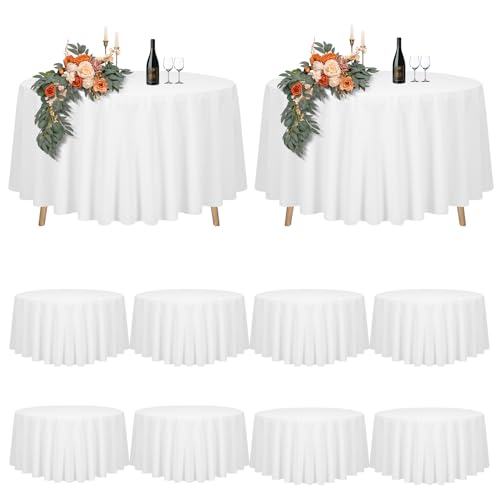
【10-Pack Premium 108 Inch Round Tablecloth Set】This bulk package includes 10 packs white round tablecloths measuring 108 inches in diameter, perfectly fitting standard 4-7ft round tables. The 30-12 inch drop length elegantly seats 8-12 guests, making these white circle tablecloths ideal for weddings, banquets, and buffet setups
3. All Long Tables
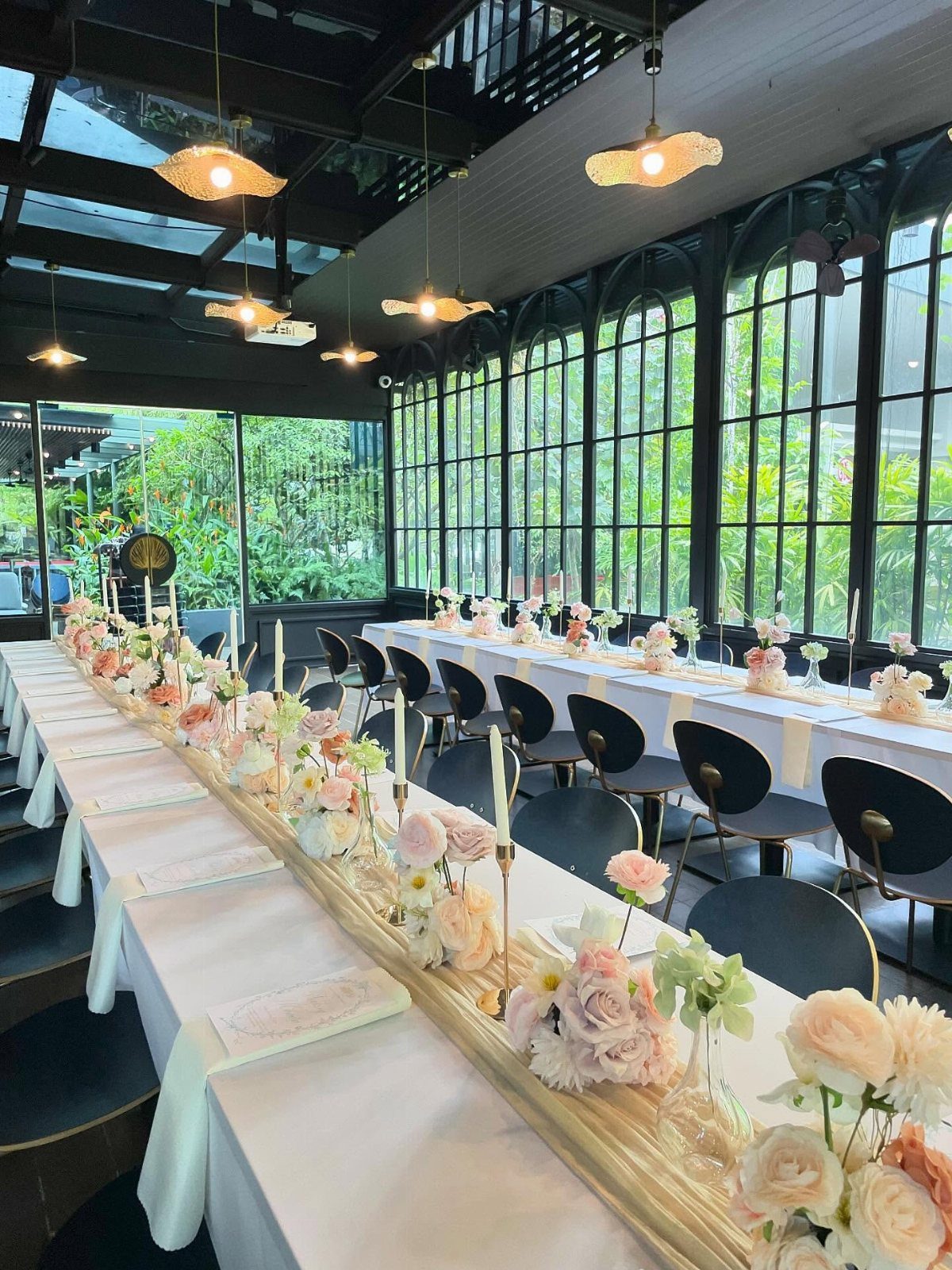
A 1.8-meter trestle seats 6 to 8.
Barns, marquees, and halls that run on trestles rather than rounds are the natural home for this. The communal feel is real, though servers will need to reach across.

✅【 Foldable Design 】The tabletop of this table folds in half allowing you to easily carry and transport between locations using the built in handles. Once folded, the table can easily be stored in closets, under beds, or in your car trunk to use for later. Take it anywhere you need – from your living room to a campsite.

✅【 Foldable Design 】The tabletop of this table folds in half allowing you to easily carry and transport between locations using the built in handles. Once folded, the table can easily be stored in closets, under beds, or in your car trunk to use for later. Take it anywhere you need – from your living room to a campsite.
✅【 Foldable Design 】The tabletop of this table folds in half allowing you to easily carry and transport between locations using the built in handles. Once folded, the table can easily be stored in closets, under beds, or in your car trunk to use for later. Take it anywhere you need – from your living room to a campsite.
4. Serpentine Tables
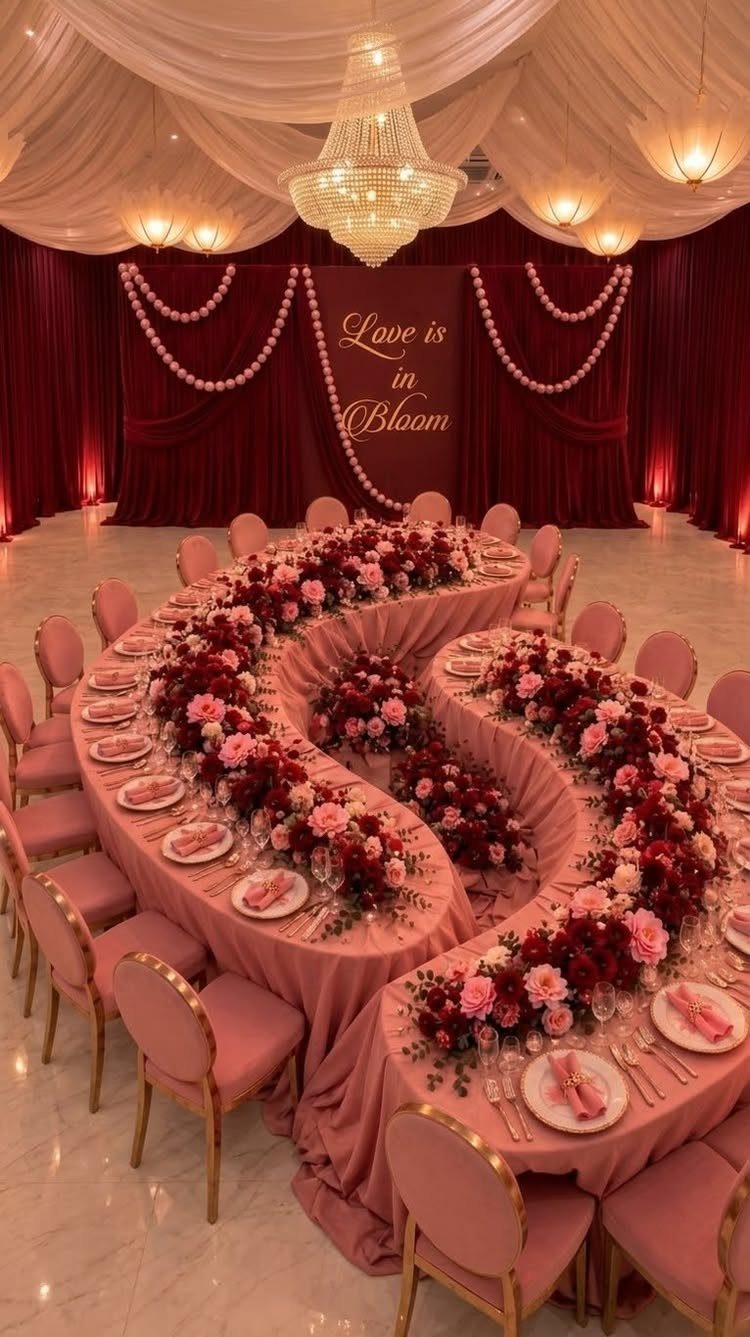
A serpentine table curves through the space like an architectural detail in its own right. The S-shape creates a bold, playful line that works for design-forward weddings where the table itself is part of the statement.
One setup shown runs the curve through a ballroom with dusty pink linens and lush floral runners, the shape doing as much visual work as the decor. This layout is completely free for up to 30 guests, according to its maker.

Premium Quality Material - The stretchable table cover is made of 90% polyester and 10% spandex fabric, ensuring a soft touch and high elasticity. No need to iron and can be laundered countless times.

[Precise Fit for Standard Cocktail Tables] Our elastic fitted stretch tablecloth is tailored for 32x43 Inch round cocktail tables, compatible with highboy, bar height, and folding cocktail tables. The stretch spandex fabric ensures a snug, wrinkle-free fit that hugs the table tightly, avoiding slipping or bunching—suitable for standard cocktail tables at various events.

Premium Stretch Fabric: Crafted from a blend of 90% polyester and 10% spandex, this black table cloth is durable, elastic, and wrinkle-resistant, delivering a clean, neat, and smooth look
5. Low Tables and Soft Seating
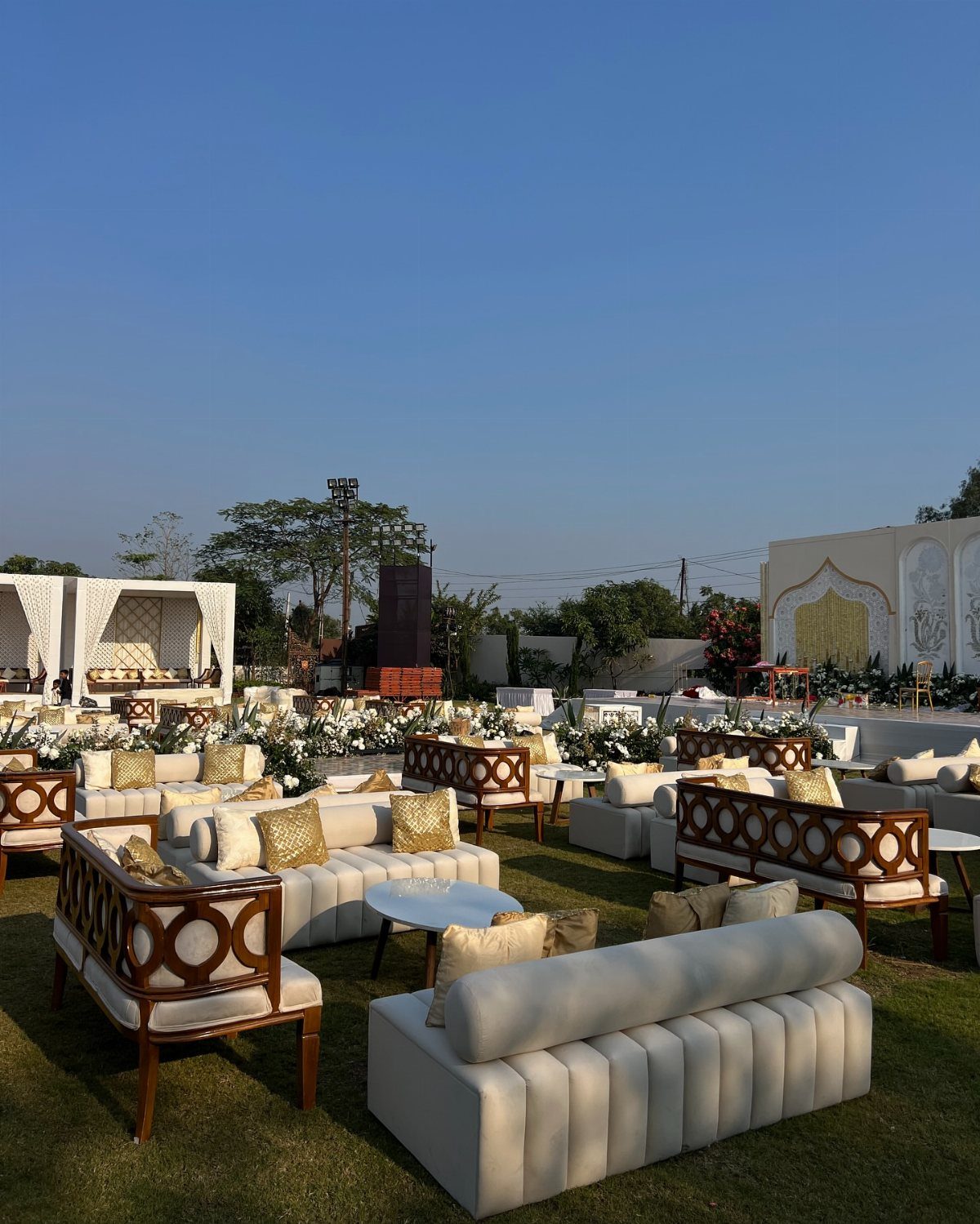
Low tables and soft seating fit a wedding that leans more cocktail party than plated dinner. The layout invites movement and mingling rather than assigning each guest to one seat for the evening.
The trade is clear: guests settle in and circulate, but no one has a dedicated place, and a full dinner service becomes awkward. Plan passed food or stations, and accept that some guests will drift.

Quality HDPE Material: Crafted from superior quality High-Density Polyethylene material for superior durability and longevity. It could withstand rigorous and frequent use, making the table an excellent long-term investment

Quality HDPE Material: Crafted from superior quality High-Density Polyethylene material for superior durability and longevity. It could withstand rigorous and frequent use, making the table an excellent long-term investment

Premium Quality Fabric: Made from 100% high-quality polyester, decorative tablecloth offers a soft, smooth texture while being incredibly durable, adding a touch of elegance to any occasion.
6. U-shaped and Horseshoe Tables
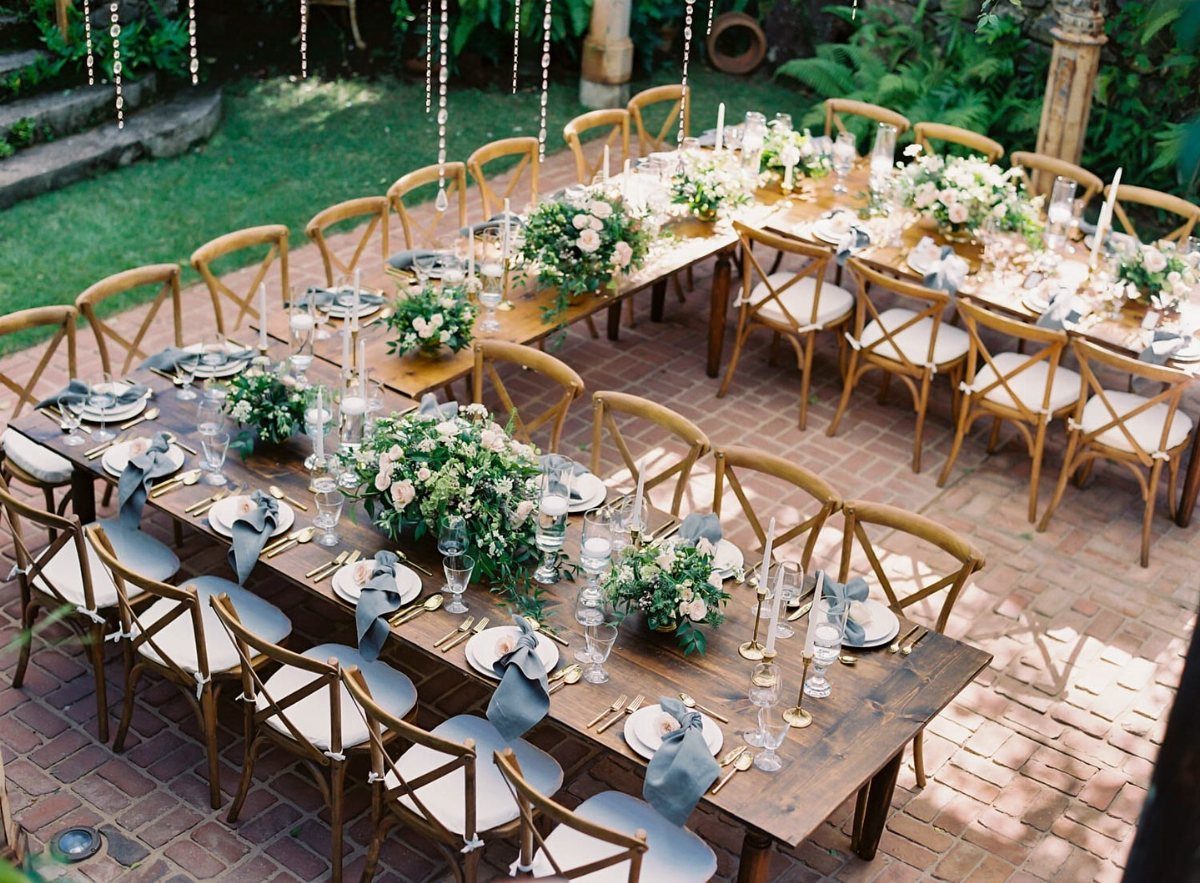
Wooden banquet tables arranged in a U-shape on a brick courtyard, decorated with floral centerpieces and candles, put every guest inside the curve and facing inward.
At an intimate wedding, a U-shaped layout puts everyone inside the curve with no one stuck at the edge looking in from outside.
The horseshoe variation opens one side, usually toward a view or a dance floor. Check that your venue’s aisles and kitchen access survive the shape.

✅【Round Tablecloths Package】The Package includes 10 pack polyester black round table cloth with a diameter of 90 inches, please measure the size of your table before purchasing and choose the right tablecloth for you with our size picture display. Crafted from 100% premium polyester, these 90 inch round tablecloths are gentle on the skin and environmentally conscious.

👻【Product Information】 You can get 10 pieces 100% polyester satin table runners, large quantity to meet your different needs; White is more romantic, classic and gracious, ideal for weddings and parties.

PACKAGE & PRODUCT SIZE: Each package contains 1x round folding tables. The 5ft folding table totally weigh about 44 pounds. the unfolded table size is 59.2" in diameter x 29.3" H; the folded table size is 59.2" L x 29.2" W x 3" H. It is designed to have enough space to accommodate up to 12 people. The maximum weight capacity of the banquet table is up to 300lbs. It requires no assembly, setup is a breeze — just unfold the legs.
7. Cocktail Tables and Lounge Seating
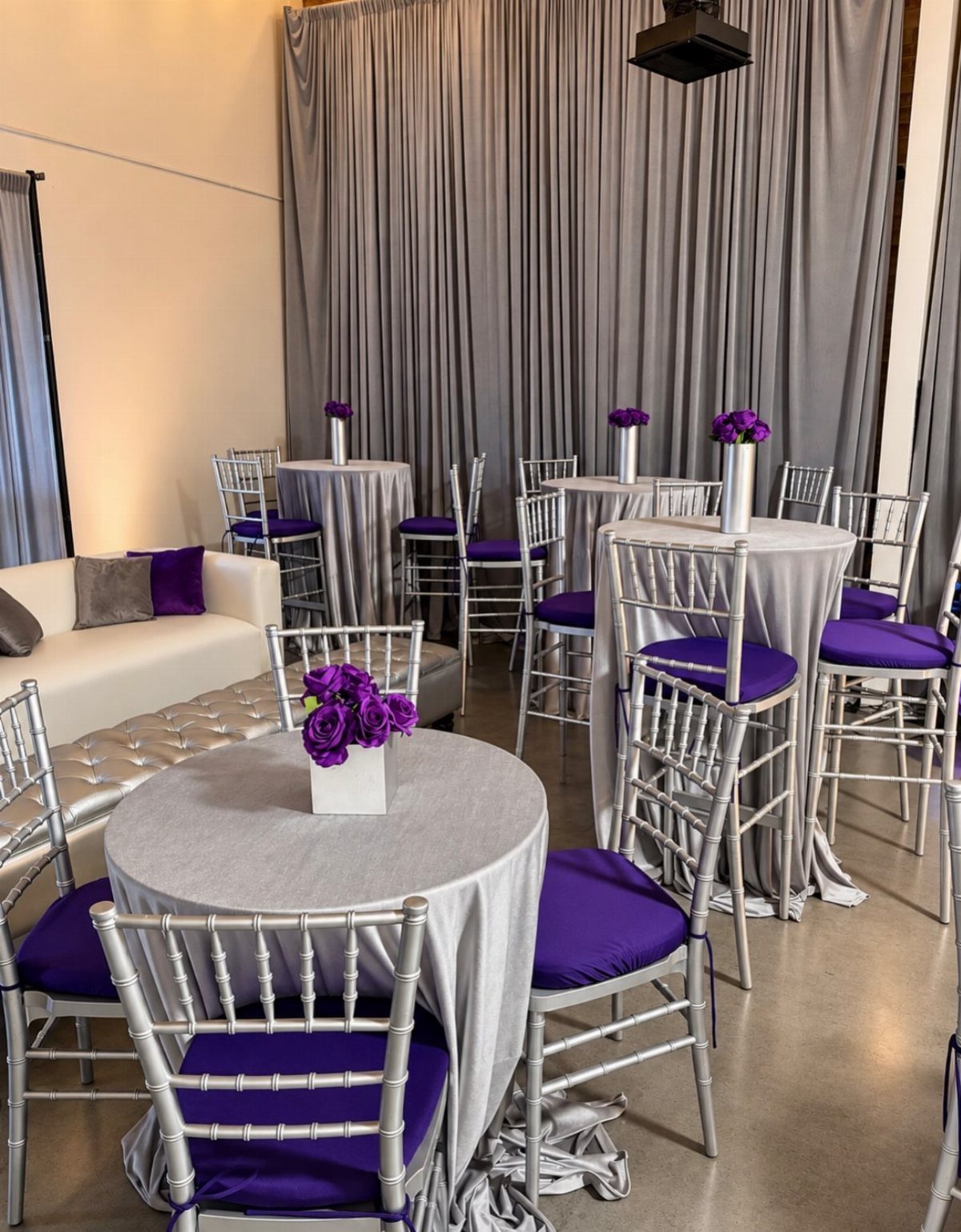
Cocktail tables and lounge seating work a room in zones rather than rows. The high tables let guests stand and circulate with a drink, while the low sofa area invites the ones who want to settle.
You will need to decide early whether you are serving a full meal or passed food; plated service does not fit this format.
The color story in the visible setup runs silver, purple, and cream against grey draping, which shows how formal this layout can still read. Chiavari chairs at cocktail height keep the seated option elegant rather than casual.
Rentals add up fast across 2 table heights plus soft seating. Check that your rental company stocks both, and confirm delivery timing so draping and furniture do not collide.
✅【 Foldable Design 】The tabletop of this table folds in half allowing you to easily carry and transport between locations using the built in handles. Once folded, the table can easily be stored in closets, under beds, or in your car trunk to use for later. Take it anywhere you need – from your living room to a campsite.

Portable & Lightweight: Engineered for on-the-go convenience, this kids picnic table features integrated side carry handles and a slim-fold design that fits effortlessly in your car trunk or storage closet. This small picnic table perfect for camping trips, beach days, tailgating, or backyard BBQs—take your portable picnic table anywhere without the hassle

Secure Lock: keeps table closed when transporting
Importance of Table Layout
The arrangement of your tables does more than fill a room. It sets how guests meet each other, how conversation travels, and whether the energy in the room rises or stalls.
A layout that puts old friends in clumps leaves newcomers on the outside; one that scatters people with intention builds new connections between tables.
Your photos take their shape from this too.
The camera catches sightlines across a room, the geometry of repeats and breaks, whether people lean in or sit apart. A serpentine table traces a bold curve through the room, while a U-shape keeps everyone inside its own contained circle.
Each solves a different problem: intimacy, movement, formality, ease. Match the layout to the feeling you want guests to carry home, not to the default your venue suggests first.

Material: 95% polyester and 5% Elastane, This fabric is smooth interior, rough in surface. It is heavy weight.

Suitable Size: The small square tablecloth is approximately 36x36 inches, suitable for table ranging from 20x20 to 28x28 inches, providing 4-8 inches drop. This small tablecloth is suitable for nightstands, dressers, plant stands, end tables and coffee tables, but it is not designed for large tables. Tips: Please measure your table dimension for choosing the appropriate tablecloth size

High Quality & Durable : Made of 100% spun polyester, sturdy sewing, soft and durable, protecting your table's surface from hot pans, scratches, and spills
Planning Tips
Start with the room you actually have.
Wide floors invite long tables and flowing shapes; tight corners and columns push you toward rounds that flex around obstacles. Ask your venue what tables they own, since rental costs climb fast when you replace their stock entirely.
If you mix shapes, keep one thread steady: the same chair style across the room, or linens in a single palette. The eye reads variety as design when the pieces share something; without that link, it reads as accident.
Guest comfort is the check that catches problems early.
Can a seated grandmother see past a centerpiece to the couple? Does the bar sit outside the maze of chairs so refill trips do not interrupt the floor?
The layouts above each carry a trade: long tables need servers who can reach, cocktail seating leaves guests without assigned places. Walk the room in your mind as guest, server, photographer, and speaker before you lock the plan.
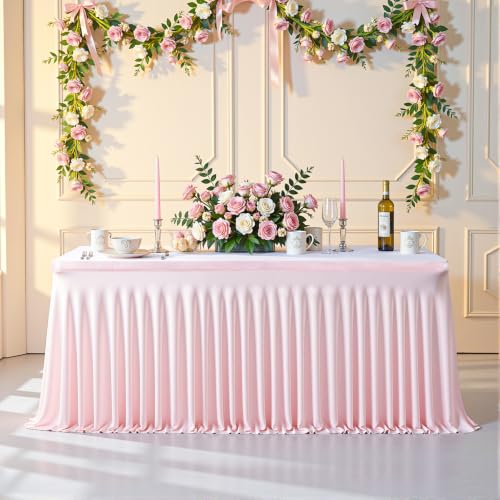
6ft Pink Wedding Table Skirt: This pleated table skirt measures 72 inches long x 30 inches high, designed for wedding head tables, folding tables, and banquet tables. The 30-inch drop fully covers the table front, hiding cords, storage bins, and table legs for a clean, elegant look. Measurement refers to skirt length only, not tabletop

Premium material: These 2 pack white tablecloths are made of high-quality polyester fabric, feel soft and delicate, are durable, and not easy to fade, the four corners use a rounded cutting design, and the overall oval shape
Personalization of Layouts
The tables do not have to match, and they do not have to look like the weddings you sat through as a child.
Low lounge tables let guests kick back like they would at a cocktail bar, serpentines turn the table itself into a piece of sculpture, and mixing rounds with rectangles means one crowd can huddle close while another group spreads out with elbow room.
Your own thread runs through the choice.
A couple who met traveling might seat guests by city at long tables; one who gardens might run a single floral variety the length of every surface, so the room holds their color even as the shapes shift.
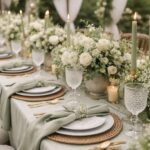
The material is there in the list, the colors and heights and textures each layout carries. Pick the one that feels like your Saturday night, not the one that photographed well for someone else.
The freedom is real, but it costs attention.
Every unusual shape needs chairs that fit, aisles that clear, a kitchen path that stays open. That work is yours to do; the result is a room that could not belong to anyone else.

6FT Round Tablecloth: Round Table Cloths have diameter about 72 inches and 29 inches height, fitted for 72 inch diameter round tables,ideal for versatile settings like dining rooms, weddings, and outdoor picnics.Table skirt is elegant and easy to install, suitable for 6-foot round tables

HIGH QUALITY MATERIAL: Our tablecloth are crafted from high quality durable polyester fabric, perfect to protect and decorate your tables. The package will include 1 piece tablecloth measuring 90 inch round.
Frequently Asked Questions
What are common wedding table plan mistakes?
The biggest mistake is locking a layout before walking the room as a guest would.
Centerpieces tall enough to block sightlines and bars buried behind chair clusters are 2 layout mistakes I still catch in photos: the first isolates guests from each other, the second turns every drink run into a parade through someone else’s conversation.
How many tables do you need for a 100 person wedding?
Standard rounds fit eight without crowding, so a guest list near 100 means counting backward from your real headcount and adding a table or two for late RSVPs and last-minute plus-ones.
At 10 per table, which is tight for service, you could drop to 10 tables. Long tables of the same length seat six to eight, so the count shifts with your layout choice.
Who usually sits at table 1 at a wedding?
Table 1 is typically the head table, where the couple sits with their wedding party in a straight line across the front of the room.
In a mixed layout, this is the long rectangle that draws eyes while rounds fill the rest of the floor for everyone else.
Can I mix round and long tables at one wedding?
One long table across the front for the wedding party with rounds behind it is the version I see most often, and it works because the rectangle holds attention while the circles let guests face each other naturally.