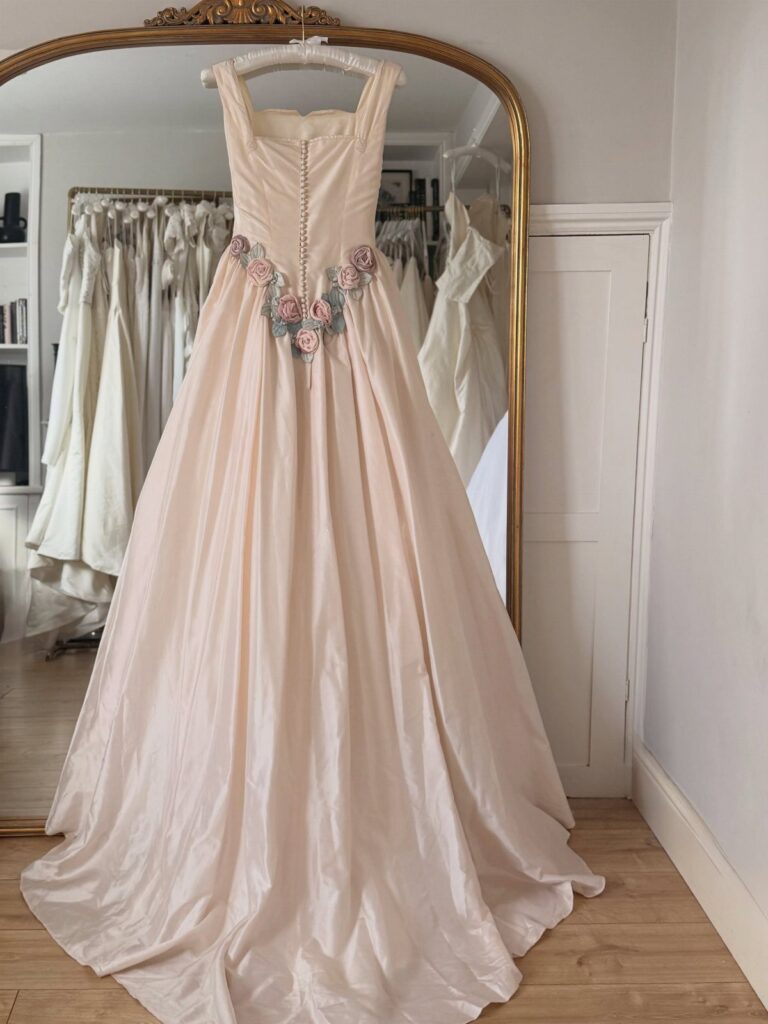
This list runs from clean minimalist gowns that survive on tailoring alone to voluminous tulle ballgowns with horsehair understructure, and the one that belongs to you depends on whether your venue speaks first or you do.
Flat lace reads one way in photos and another in person, but the dimensional lace showing up everywhere now catches light at every angle, and that depth only shows when the light is soft enough to move across it.
1. Romantic Lace Wedding Dresses
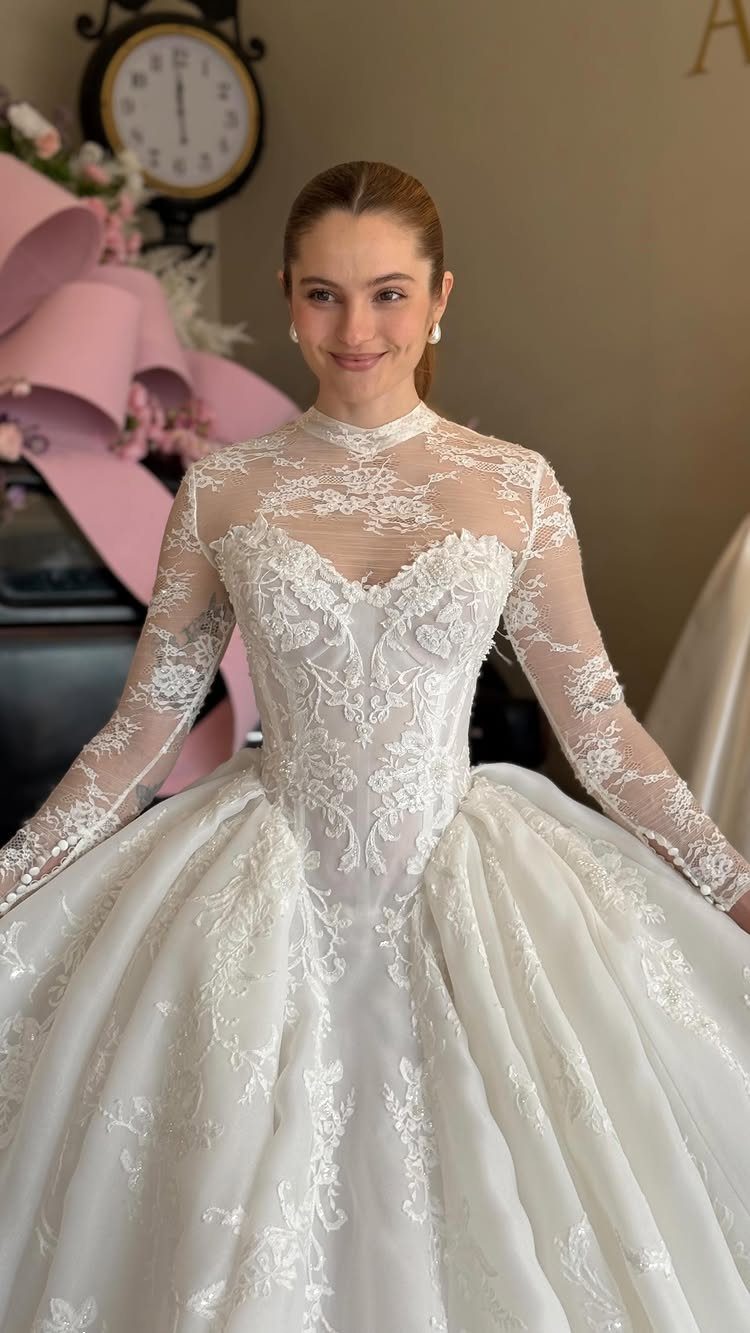
Lace in 2026 is moving past the expected scrollwork and edging into softer, more dimensional territory.
The gowns I keep seeing use delicate patterns with texture that catches light differently than flat lace ever could, and the effect reads as intentional rather than inherited.
For brides working with a photographer who shoots golden hour, this matters more than it might seem.
Dimensional lace throws shadows and highlights that read as movement even in still shots, which is part of why the look has stuck around through so many trend cycles.
The version to look for has sheer placement where you actually want it, high necklines that do not fight with your hair choices, and sleeves that stay put without constant adjusting.
If the lace feels heavy or the pattern too dense, the gown will photograph older than it is. A lighter overlay on a structured base usually solves this without adding cost.

Fabric: Crafted from a premium blend of 94% nylon and 6% spandex, this lace wedding guest and cocktail dress feels incredibly soft and lightweight against your skin. The medium stretch fabric moves with you for all-day comfort, so you can stay at weddings, dinners, or parties for hours without feeling tight or restricted. It holds its shape nicely while staying breathable comfortable enough to wear all evening, without sacrificing a polished, put together look

【Size Suggestion】:Machine/ Hand washable, do not bleach. Please read our size chart carefully. Our products are in sizes, which run smaller 1-2 size than the US size. For example, if you are M size in US, we advise L or XL for our size.

Fabric: Crafted with delicate floral lace on the off shoulder bodice and long sleeves, matched with smooth, lightweight fabric for the maxi skirt. Breathable and non-restrictive, the material supports comfortable wear through extended events. It drapes nicely without clinging, offering a polished appearance for formal gatherings
2. Three-Dimensional Floral Appliqués Wedding Dresses
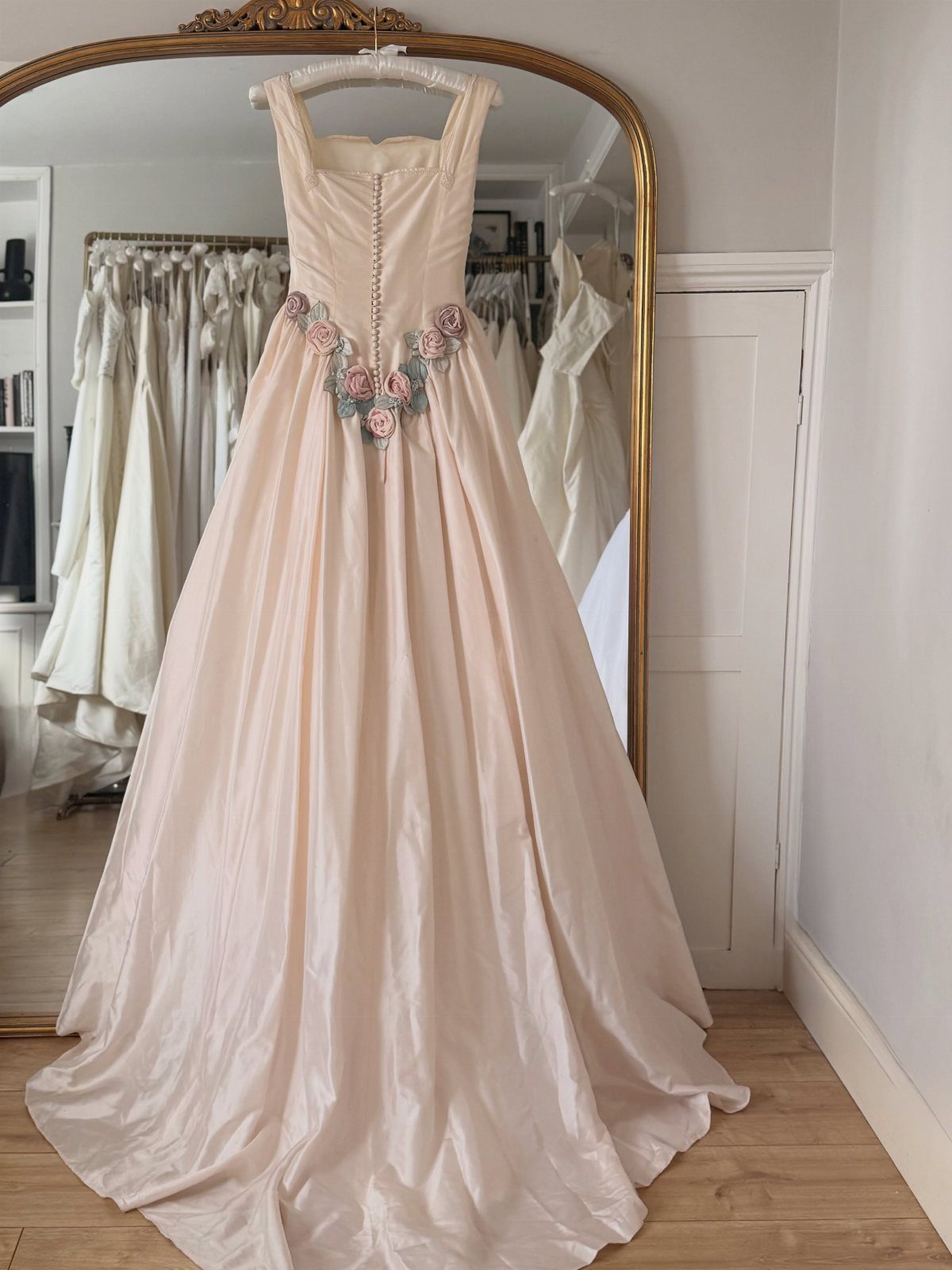
Flowers on a gown used to mean flat embroidery or printed fabric. The 2026 versions build outward, rosettes and petals that cast their own small shadows and move when you do.
This is the kind of detail that rewards a venue with natural light or soft candlelight, where the dimension actually shows.
In harsh overhead lighting the effect flattens, and you are left with texture that does not read as texture. I would plan the venue visit with this in mind, or ask the photographer how they would shoot it.
The appliqués cluster most often at the waist or scatter across tulle layers, and the placement changes what the dress does to your silhouette.
Waist-heavy placement draws the eye to the narrowest point; scattered reads more romantic and less structured.
Either way, the gown needs enough interior support that the weight of the appliqués does not pull the fabric out of shape over a long day.

DIMENSIONS: This decorative lace applique measures 16 inches by 12 inches, making it a generously sized trim for a variety of sewing projects.

Features:The embroidered floral wedding dresses 2025,a line tulle wedding ball gowns,spaghetti straps v neck bridal dress,cold shoulder bridal ball gown ,wildflower lace applique wedding dresses for bride,romantic wedding dress is the best choice for your wedding formal occasions.Please select the size according to the "size chart" under the size options, based on your chest and waist

3. Clean Minimalist Gowns
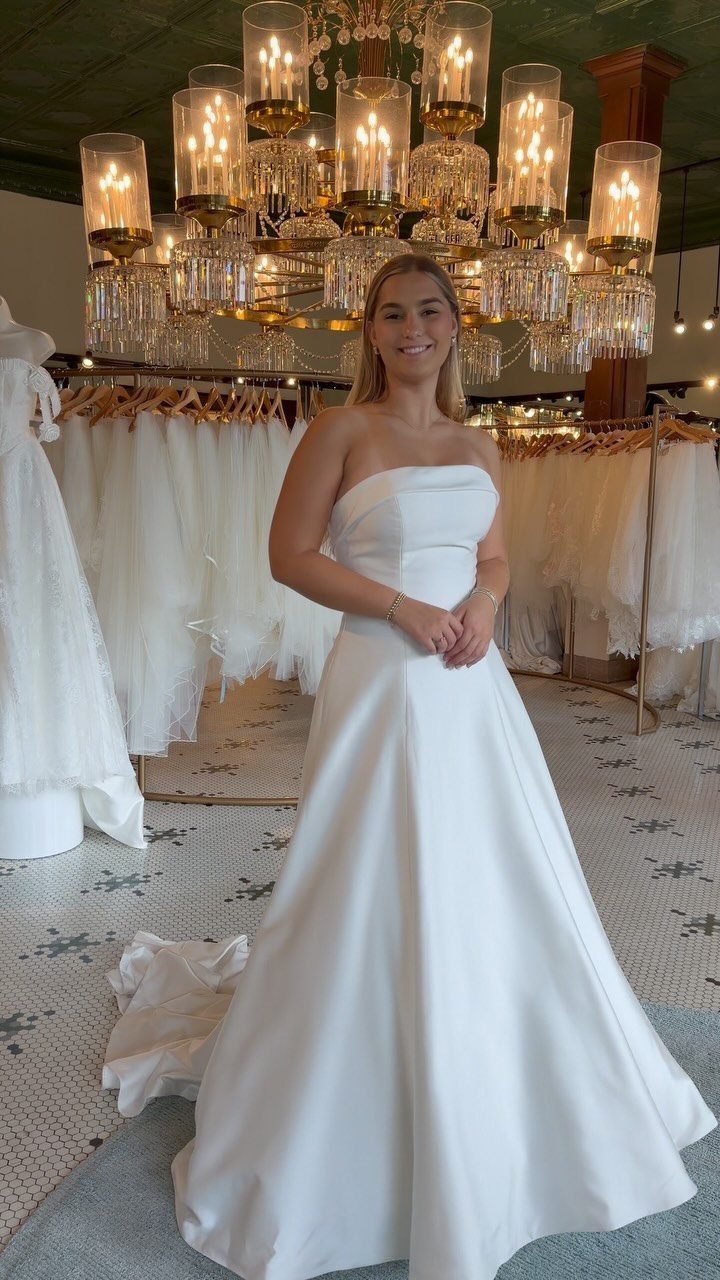
A minimalist gown lives or dies by its tailoring, and the difference is immediately visible at the seams.
The 2026 versions I am watching keep the clean lines but add subtle structure through draping or interior boning that holds the shape without announcing itself.
This is not the slip-dress minimalism of a few years ago; the fabric has more body, the fit is more considered.
A simple gown in quality fabric with perfect tailoring will photograph better than an embellished gown with a hem that pools wrong or a bodice that gaps.
The clean silhouette leaves nowhere for fit problems to hide, which is the trade-off: you get timeless, but you do not get forgiving.

Size: Please check Our Size Chart before you placed the order.

INTRICATE LACE OVERLAY: Black floral lace arranged in alternating openwork bands creates rich texture and vintage-inspired dimension, while the contrasting lining highlights the intricate pattern throughout the bodice and skirt

Size Up Recommended: For a more comfortable and relaxed fit, we highly suggest choosing one size up from your usual size, especially if you prefer extra room around the bust, waist, or arms. For example, choose a 3XL if you typically wear a 2XL. Please check the size chart carefully to make sure the bust and length measurements work for you. Easy care: machine wash cold in a laundry bag or hand wash recommended; hang to dry; do not bleach.
4. High Slit Wedding Dresses
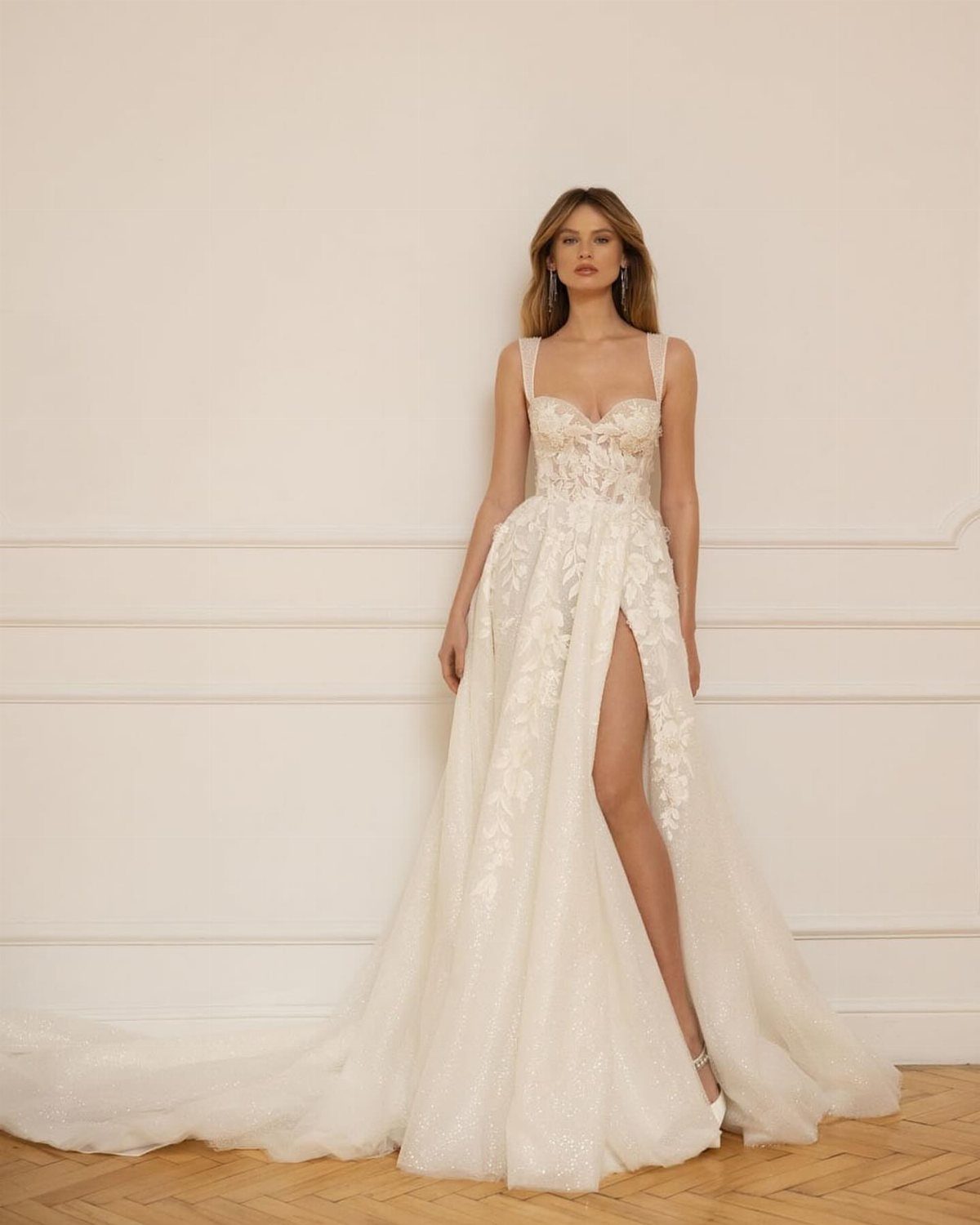
A high slit does 2 practical things at once: it lets you walk without gathering fabric in both hands, and it gives the gown a line of movement that photographs well from almost any angle.
Designers in 2026 are pairing the slit with both flowing fabrics and more structured shapes, so the look is not locked to one silhouette.
The placement matters for your specific venue. A thigh-high opening in a church with a traditional aisle reads differently than the same opening on a lawn or beach, and the train length changes how the slit moves when you walk.
I would try sitting in the gown before committing, and not just standing. Some slit placements ride up in a chair or car, and you want to know that before the wedding day.
The other check is undergarments: the line of the slit needs to work with what you plan to wear beneath, not fight it.

Features:Gothic black lace wedding dresses for bride; a-line appliques bridal gown; vintage strapless wedding gown; victorian dresses with ruffles; women's black wedding ball gown

Fabric: Lightweight, super-stretch lustrous jersey

THE EDIT BY DB STUDIO: A curated collection by David's Bridal, offering trendy, versatile dresses for every special moment—from weddings to everyday celebrations.
5. Corset Bodices
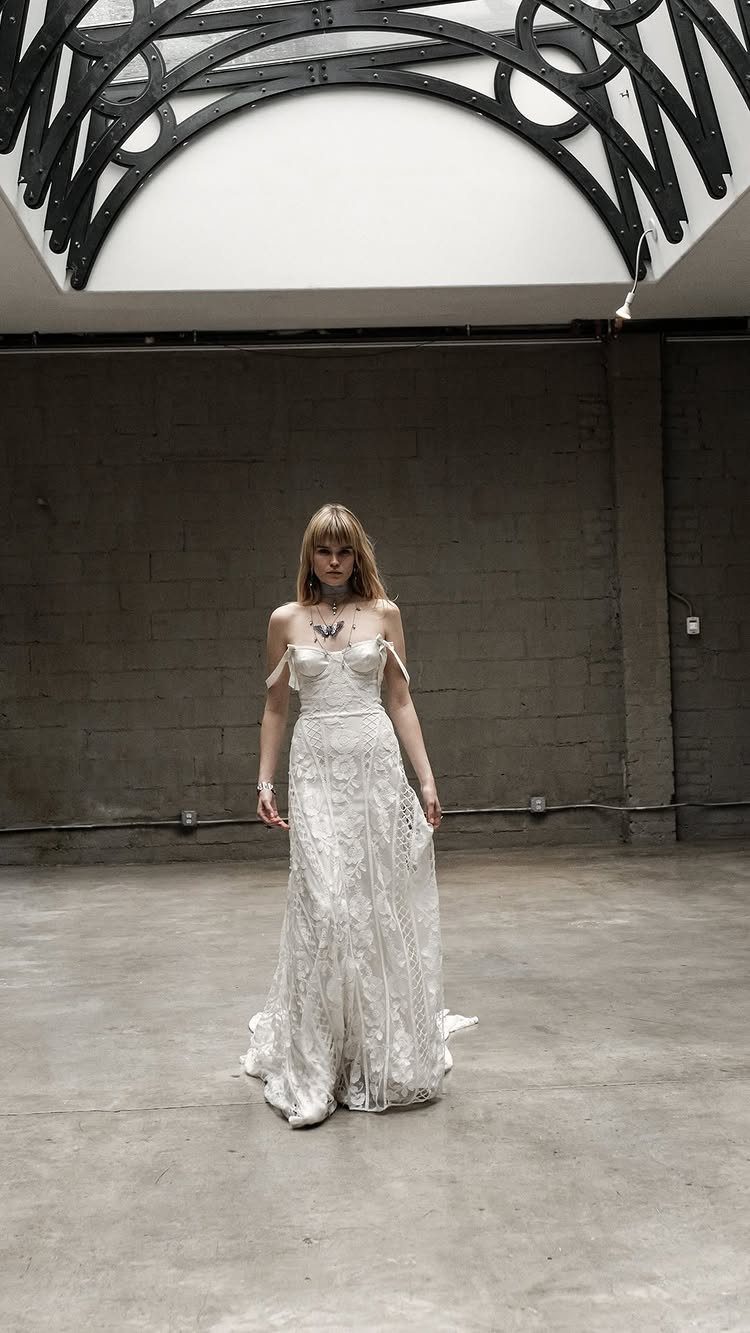
Corsetry in 2026 has shed the costume quality it sometimes carried. The structured bodices I am seeing use sheer panels and delicate boning that shapes without squeezing, and the waist definition they create is hard to replicate with simpler construction.
The comfort question is real. A well-made corset bodice distributes pressure so you can breathe and eat normally; a poorly made one does not, and the difference is not always visible until hours in.
Ask about the boning material, plastic or steel, and how the bodice is finished at the waistline so it does not dig.
Sheer panels at the sides or back soften the historical reference and let the structure read as modern.
For brides between sizes or with a longer torso, this is often the bodice style that needs the least aggressive alteration, since the structure itself provides the shaping.

MATERIAL: Crafted from 95% polyester and 5% elastane, this gothic dress offers a soft, skin-friendly, and flexible fit that contours comfortably to your body. The sheer mesh bell sleeves and delicate lace overlay add a stylish touch of texture, beautifully enhancing its aesthetic appeal

ELEGANT HIGH NECK DESIGN - This goth dress has a stunning lace maxi dress silhouette. The stand collar highlights your neckline beautifully. A slim fit bodice avoids any bulky feeling when you move around

Material: This white off shoulder lace maxi dress made of 100% polyester,High-quality Non-Stretch through embroidery lace fabric.Comfortable & Breathe freely.
6. Oversized Bows Wedding Dresses
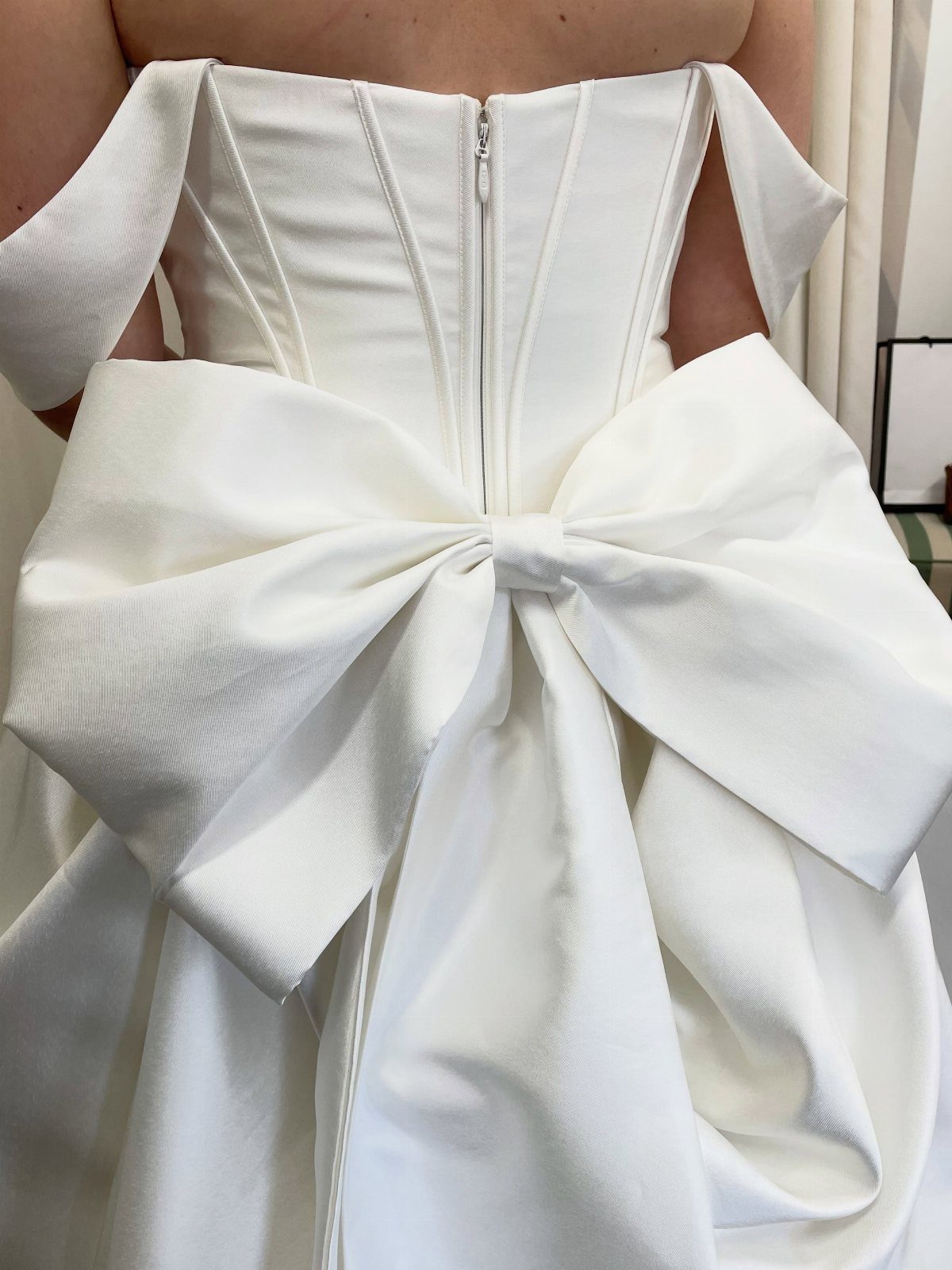
An oversized bow is a single gesture that changes a simple gown into something with a point of view, and the 2026 collections are placing them at the back waist, the shoulder, or anchoring the train.
The scale is what makes it work.
A medium bow looks like an afterthought; the oversized version commits and becomes architecture. The placement I would choose depends on how much time I planned to spend with my back to the crowd.
A back waist bow reads beautifully in ceremony photos and first-look shots, but a shoulder bow catches light during the reception when you are facing people.
The fabric needs enough body to hold the shape without drooping, and the attachment has to be secure enough for a full day of movement.
This is not a detail to add aftermarket unless you have a skilled seamstress; the weight and placement affect how the gown hangs, and getting that wrong throws off the whole silhouette.

Size Information: These 3D flower lace embroidery have 7 sizes, 2 pieces for each size, including 3.26inch x 2.55inch (82.8mm x65mm); 2.33inch x 4.44inch(59mm x 113mm); 2.56inch x 29.4inch (65mm x 75mm); 4.16inch x 3.17inch (105mm x 80mm); 5.18inch x 3.44inch (131mm x 87mm); 5.25inch x 2.33inch (133 mm x 59mm); 4.59inch x 3.35inch (127mm x 85mm)

Features: Handmade tulle prom dress with lace appliques, A-line floor-length dress, spaghetti straps, V neck, lace-up closure, corset design, built-in bra, with split, flowing fairy dress.

these beautiful appliques basis on tulle fabric , 3d flower on the top, each flower has one rhinestone in the middle. it is shining just likes crystal.
7. Vintage-Inspired Wedding Dresses
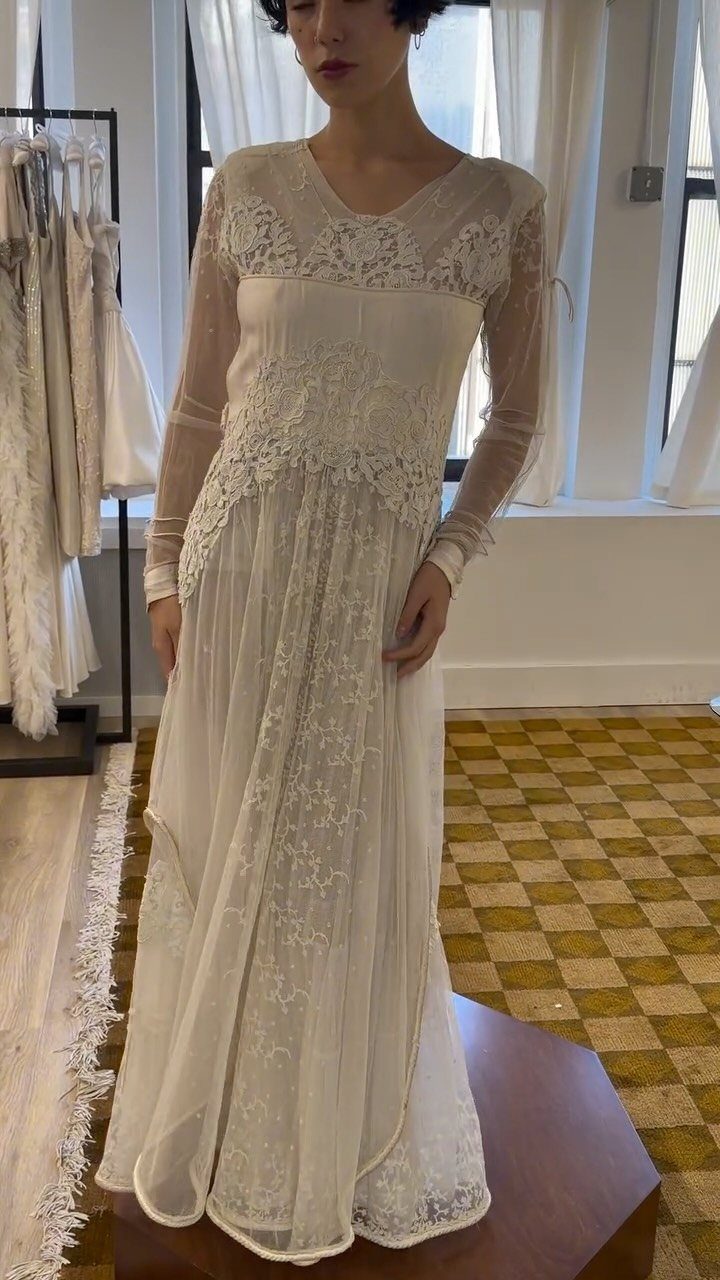
The 2026 vintage-inspired gowns I am tracking borrow their shape from earlier decades without wearing like costume. Off-white and ivory bases replace stark white, and the warmth of those tones changes how skin reads in photos.
Long sleeves with real button closures, portrait necklines, and lace that looks collected rather than ordered fresh are the details that signal this intent.
The seam work is often more intricate than modern construction, which means alteration costs run higher if you need significant changes.
This style suits brides who want their gown to carry some story, though the line between intentional nostalgia and period-piece is thin. A single vintage element, sleeves or neckline, usually lands more cleanly than several at once.

Cocktail Dresses Women: Made from delicate fabric, the dress exudes a textured and luxurious feel; Intricate lace pattern overlay, with soft lining, giving it a sophisticated and elegant appearance.

Detachable Sleeves Design: These wedding dress sleeves feature a simple attachment design that allows for easy application and removal; The detachable sleeves provide versatile styling options for various formal occasions without permanent alterations to your gown; Made with delicate pearl decorations for enhanced bridal appeal

Size Up Recommended: For a more comfortable and relaxed fit, we highly suggest choosing one size up from your usual size, especially if you prefer extra room around the bust, waist, or arms. For example, choose a 3XL if you typically wear a 2XL. Please check the size chart carefully to make sure the bust and length measurements work for you. Easy care: machine wash cold in a laundry bag or hand wash recommended; hang to dry; do not bleach.
8. Bridal Gown with Matching Cape
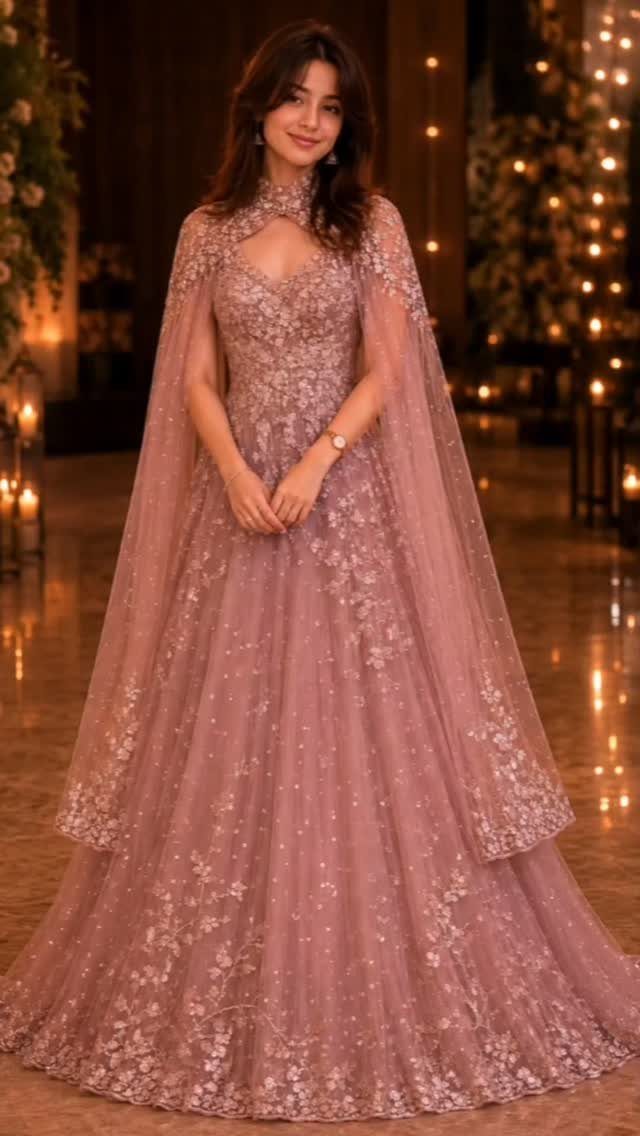
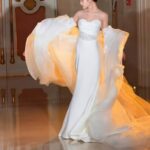
A cape replaces a veil with something that moves differently, more sweep than flutter, and the 2026 versions use sheer fabric that pools at the floor or stops at the waist.
The attachment point matters for your ceremony. A cape fixed at the shoulders stays put but limits arm movement; one anchored at the neck turns more dramatically when you do.
Sheer layers soften any color you put under them, whether you go with dusty rose, ivory, or classic white.
I would check the weight before committing.
A cape heavy enough to drag the gown backward changes your posture over hours, and removal mid-reception is not always practical depending on the fastening. Ask whether it detaches cleanly or stays part of the gown’s structure throughout.

This elegant sweetheart neck wedding dress features a classic a-line and gorgeous ball gown silhouette, perfect for a princess look. The strapless and sleeveless design highlights a sexy yet romantic aesthetic, making it a minimalist yet luxurious bridal gown for every bride in 2024.

ELEGANT A-LINE SILHOUETTE: This stunning wedding dress features a classic A-line cut that gracefully flows from the bodice to a sweeping train, flattering every figure.

9. Sparkling Silver Beaded Gowns
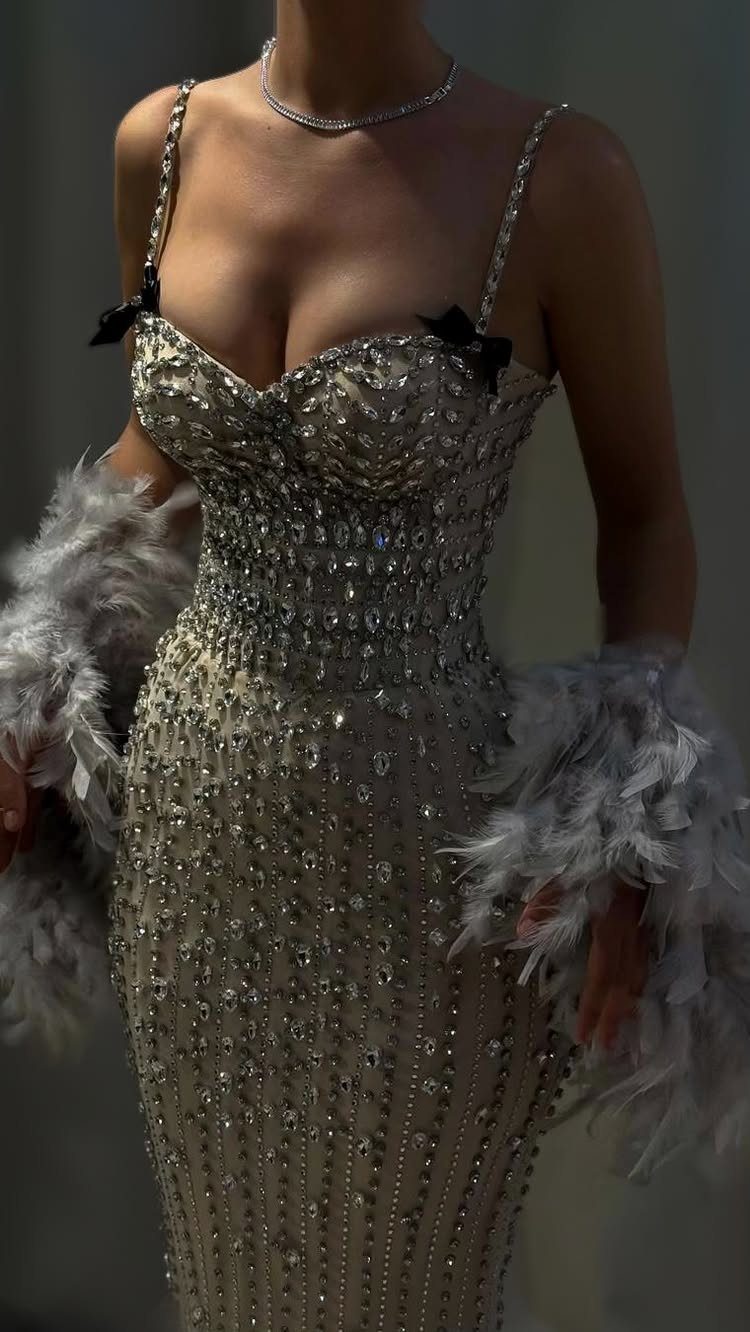
All-over silver beadwork catches light from every direction, and the 2026 versions use smaller, denser placement than the scattered crystal looks of a few years ago. The effect is closer to liquid metal than decoration.
This is a gown that needs its own lighting consideration. In dim reception halls the silver dulls; in direct flash it can blow out to white.
A photographer who has worked with heavily beaded gowns before will know how to meter for it, and that is worth asking about in consultations.
The weight is significant.
Beading across the full skirt adds pounds that affect how the gown hangs and how tired your shoulders get. Try dancing in it, not just standing.

Lightweight Flowy Chiffon :Made with soft, breathable, and lightweight chiffon that drapes beautifully without clinging. Comfortable for all-day wear and perfect for warm weather, beach days, summer vacations, and outdoor events

【Sheer Lace Off Shoulder】Delicate lace sleeves and neckline frame the collarbone with a romantic coquette look, balancing elegance and subtle allure

FABRIC: Crafted from soft, stretchy velvet fabric, this witchy dress offers a smooth feel, comfortable stretch, and an elegant drape that follows the body naturally. The rich velvet texture adds a refined touch, creating a sophisticated and feminine look
10. Sculptural Pleated Wedding Dresses
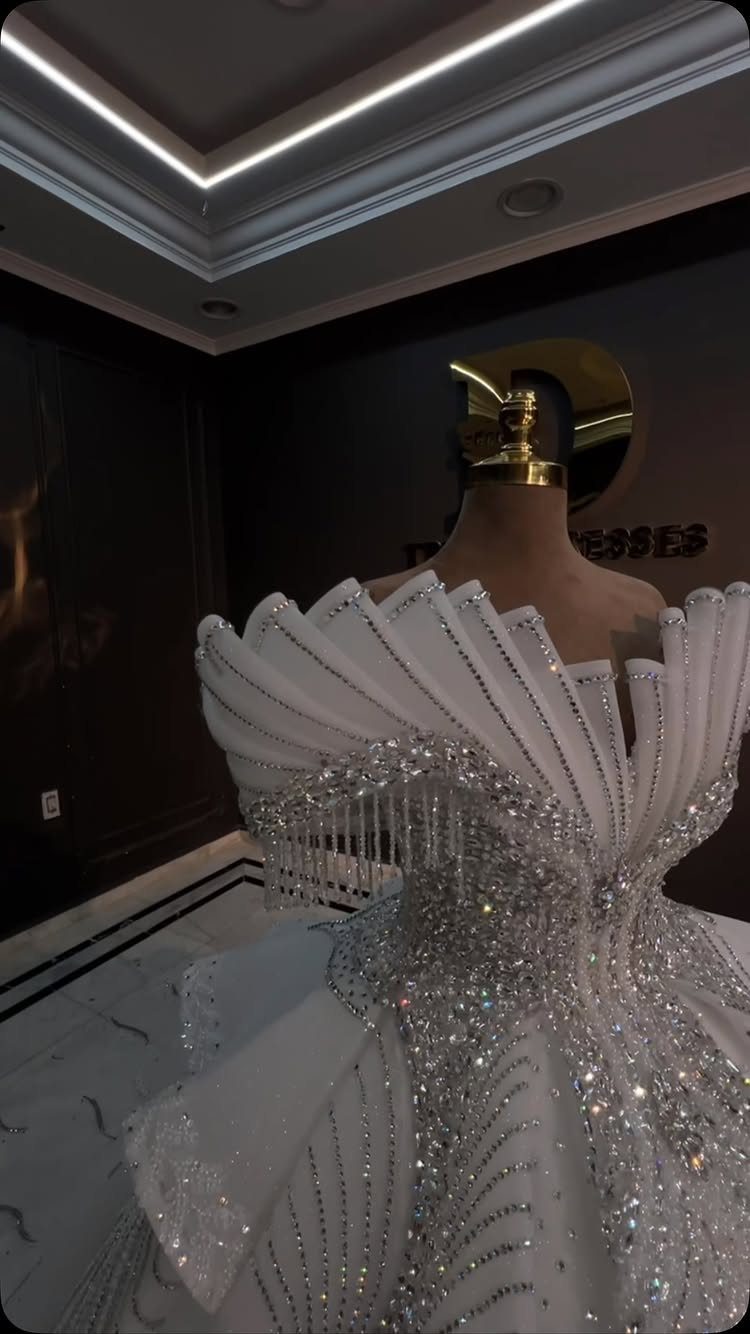
Pleating in 2026 is leaving flat folds behind for shapes that stand away from the body, fanning from the waist or radiating across the bodice like pleated paper held to light.
The structure comes from both the fold depth and the fabric’s stiffness, and that combination determines how the gown moves when you sit.
Some sculptural pleats hold their shape and create a shelf at the lap; others soften and collapse more gracefully.
Crystal embellishments add weight that changes how the fabric moves, so a beaded version will hang and flow differently than a plain one.
Alteration is limited. You cannot easily take in or let out a gown where the pleats are the architecture, so sizing needs to be closer from the start than with simpler construction.


Features:Glitter Tulle Quinceanera Dresses with Cape;Gorgeous Gothic XV Dresses;Black Lace Appliques Ball Gown;Off Shoulder Quince Dress;Elegant Beaded Vestidos de 15 años for Women;Puffy Sweetheart 15 Dresses for Quinceanera;Luxury V Neck Prom Dress;3D Flowers Sweet 16 Dresses

11. Voluminous Tulle Ballgowns
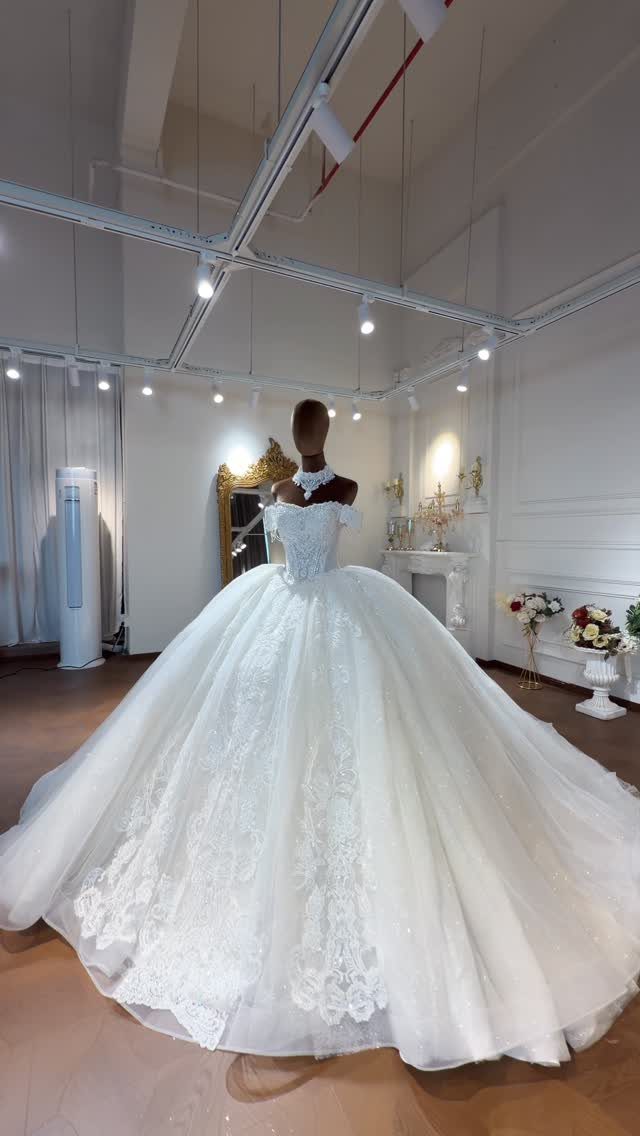
Full tulle skirts in 2026 are paired with structured bodices that keep the silhouette from reading as pure costume, basque waists and corsetry providing the anchor.
The volume is intentional, not accidental, which means the understructure matters as much as the outer layers.
A ballgown with proper horsehair or crinoline holds its shape through the reception; one relying on tulle alone collapses by the first dance and photographs as deflated.
Consider the doorway widths at your venue, and the turn radius for your entrance.
A gown this wide needs more space than a sheath or mermaid, and the logistics of getting into a car or through a narrow hall are real constraints.
The effect is dramatic when the space allows it; cramped, when it does not.
12. Textured Skirt Wedding Dresses
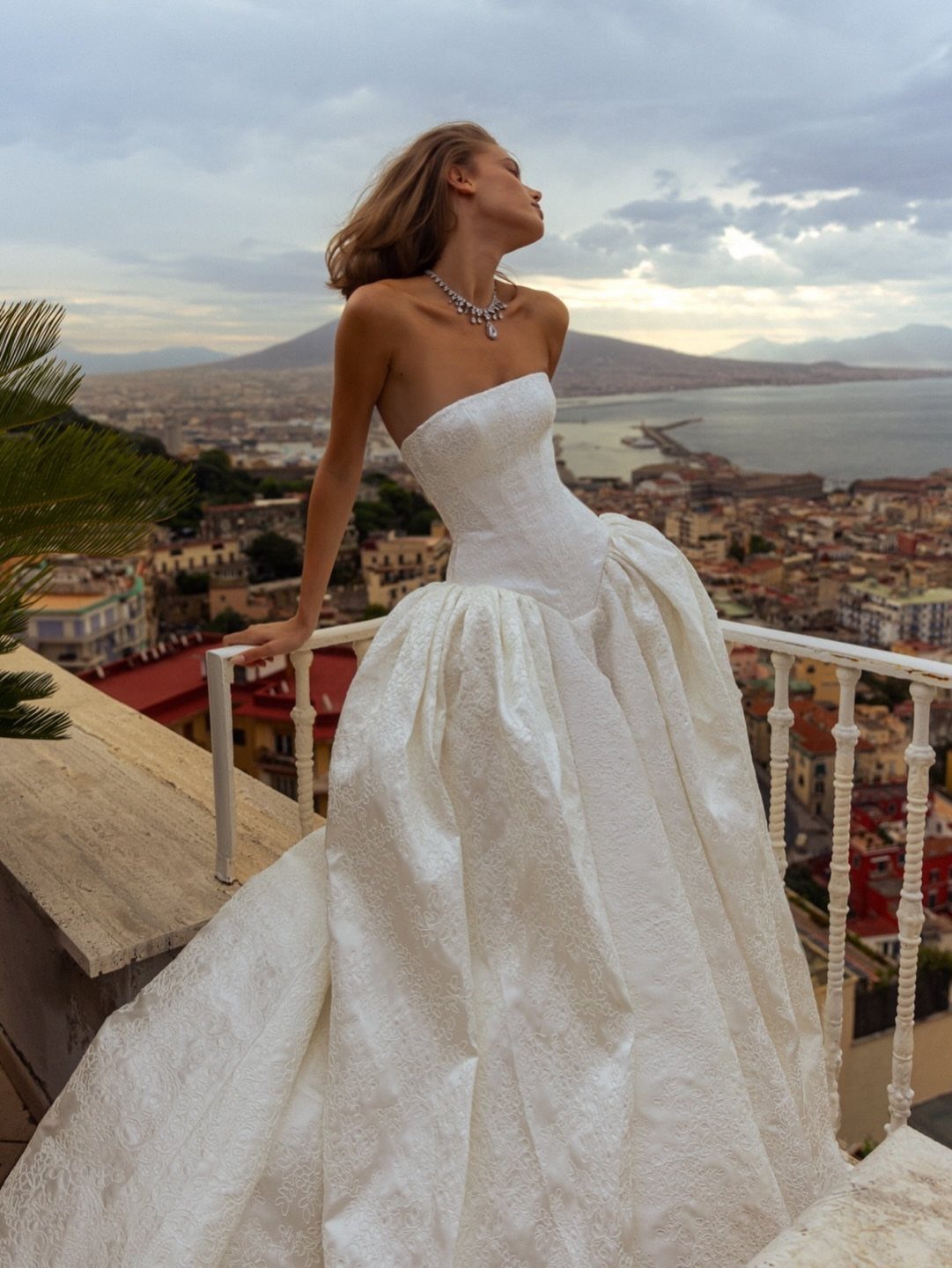
A textured skirt keeps the eye moving without relying on print or embellishment, and the 2026 versions use dimensional fabric, gathered tulle, or layered organza that catches light differently from each angle.
A clean strapless bodice balances a busy skirt; the pairing works because one half stays simple while the other does the talking. 2 competing textures, or a detailed bodice with a detailed skirt, usually fight each other.
The skirt’s volume and your height determine whether the texture reads as airy or heavy.
On a shorter frame, too much horizontal expansion can compress your vertical line; a higher waist placement or less fullness at the hip usually corrects this.
Try the gown with the shoes you plan to wear, since heel height changes where the skirt breaks and how the texture falls.
Choosing the Right Trend
A trend only works if it still looks like you in it.
The gowns in that list give plenty of starting points, but the narrowing question is what you already reach for on days when you want to feel like yourself.
Your venue does half the deciding without you noticing. A structured gown holds its own against marble columns and high ceilings; something flowing gets lost in all that vertical stone.
Outdoor light changes everything: dimensional lace and three-dimensional appliqués need soft, shifting light to do their job, while heavy beadwork can blow out to white in strong sun.
A garden ceremony gives you more freedom than a grand hall, where the architecture already speaks and your dress answers it.
Comfort is the part couples forget to test.
Sit in the gown. Eat in it, or at least simulate the motion.
Dance. The ceremony is an hour; the day is eight or more, and a bodice that squeezes or a skirt that traps heat will not improve with time.
Fabric Choices
Fabric is where a gown lives or dies after the first glance. The satins worth looking at in 2026 carry a softer sheen than the high-gloss versions that read dated; they catch light without throwing it back like a mirror.
Matte silks do almost the opposite, absorbing light and reading as timeless in a way that photographs cleanly in any condition. Both reward good tailoring because neither hides a mistake.
Tulle and chiffon layered for movement rather than volume keep the skirt alive when you walk without adding the structural demands of a full ballgown. The distinction matters for outdoor venues and long receptions, where weight translates directly to fatigue.
When natural light is part of the venue’s design, the fabric you choose becomes a photography decision too.
Satin shifts color across the day; matte silk holds steady. Tulle goes luminous or goes flat depending on what is behind it.
Venue Considerations
The venue is not a backdrop; it is half the conversation. A gown and a space can argue with each other, and the eye catches the discord even when guests cannot name it.
Architectural venues, the ones with strong lines and formal proportion, need a gown with enough structure to hold the frame. A too-soft silhouette disappears against ornate moldings or tall windows; something with seams and shape answers the room’s geometry.
Light-filled interiors with clean lines do the opposite, giving a minimalist gown the space to be the one deliberate thing in a restrained setting.
Natural settings forgive more. Gardens and beaches take flowing fabric without making it look underdressed, and the movement of outdoor light gives texture something to do.
The question is not whether the gown is pretty; it is whether the gown and the venue together create one effect or two.
Personal Style Reflection
The gown that photographs best is the one that disappears between you and the camera, so that what shows is you wearing it rather than you presenting it.
That happens when the fabric, the cut, and the detail line up with choices you would make on any important day.
The 2026 collections include enough variation that most brides can find that alignment without forcing it.
Corsetry if you like structure and waist definition; clean minimalism if your eye goes to cut and proportion; vintage touches if you collect old things and mean it.
The mistake is choosing something that requires you to perform a version of yourself.
Pay attention to what you reach toward in a showroom before you have reasons. The resonance is information; the rationalization comes after.
A gown that feels like an extension will move with you through hours of greeting and dancing without needing adjustment or reminder. That ease shows in photographs, and it shows to the people watching.
New York Bridal Fashion Week Fall 2026 was packed with hundreds of gowns, minis, and sets that will be filling bridal salons and showrooms next spring.
— Vogue
Frequently Asked Questions
What are the top 2026 wedding dress trends?
For 2026, designers are pushing fabric into space: pleats that hold their own shape an inch off the skin, lace built up in layers so light hits each one differently, flowers sewn on individually so they throw tiny shadows, and cuts that nod to the 1950s but warmed up from stark white to something closer to candlelight.
Clean minimalist gowns with considered interior structure and corset bodices using sheer panels and delicate boning are also holding strong.
How do I choose the right trend for me?
My usual test is to think about the outfit I put on when I want to feel capable and present, then imagine wearing something that opposite for 8 hours straight.
Sit in it, simulate eating, and dance if the shop allows.
A marble hall with tall windows will make a crisp, architectural gown look inevitable; put that same dress on sand and it fights the ground. Outdoor light asks for fabric that answers the wind.
What fabrics are trending for wedding dresses?
Satin has calmed down, losing the mirror-bright finish that dominated the last few years for something softer, while matte silk is holding steady because it photographs the same in noon sun as it does in a dim chapel.
Tulle and chiffon are being stacked in ways that keep a skirt in motion without the understructure that turns a ballgown into a workout by the end of the night.
These fabrics show every decision the patternmaker made; there is no shine to distract from a pucker or a pull.