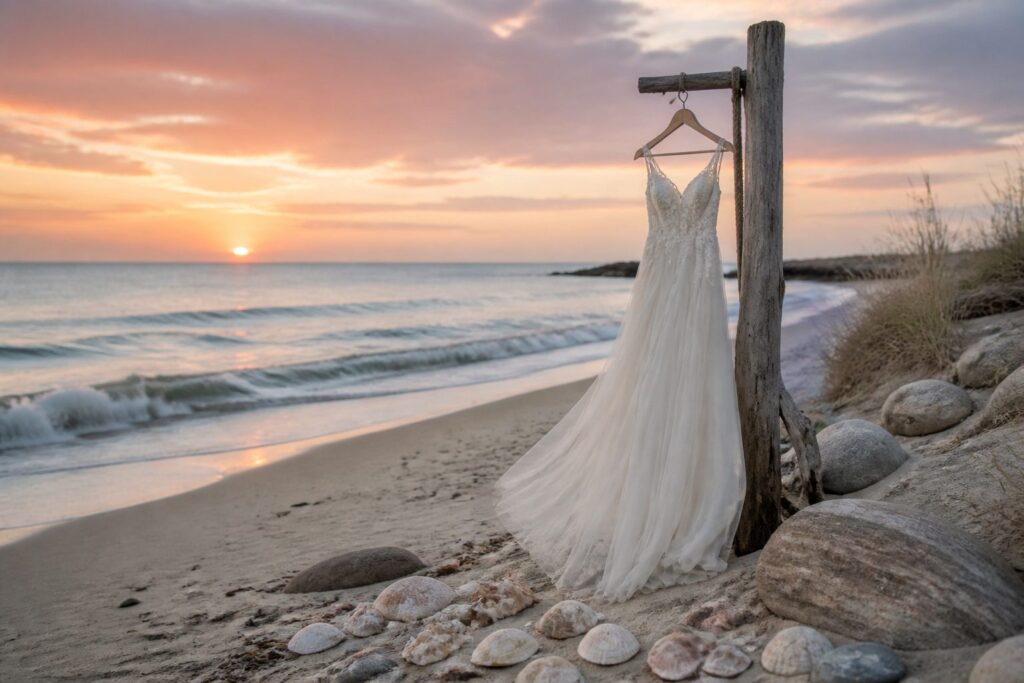
Coastal wedding dresses are not a separate category of garment so much as a set of choices about what happens when fabric meets sand, wind, and 80% humidity.
The 24 models I evaluated split hard on that point: some float and breathe, while others that look right in a showroom become an endurance test at the shoreline.
The Danielle Frankel Noemi needs 4 months of lead time for its warped organza to arrive, which is the first reality that sorts real timelines from wishful ones.
My Top Picks
| Product | Award | Best for | Why it won | ||
|---|---|---|---|---|---|
 | Danielle Frankel Noemi organza gown | Best Overall | Beach brides wanting top quality | Organza fabric and ideal length balance beauty with seaside practicality | Check price |
 | Lulus Maxi Dress | Best Budget Option | Budget-conscious brides | Affordable price without sacrificing the elegant style you want | Check price |
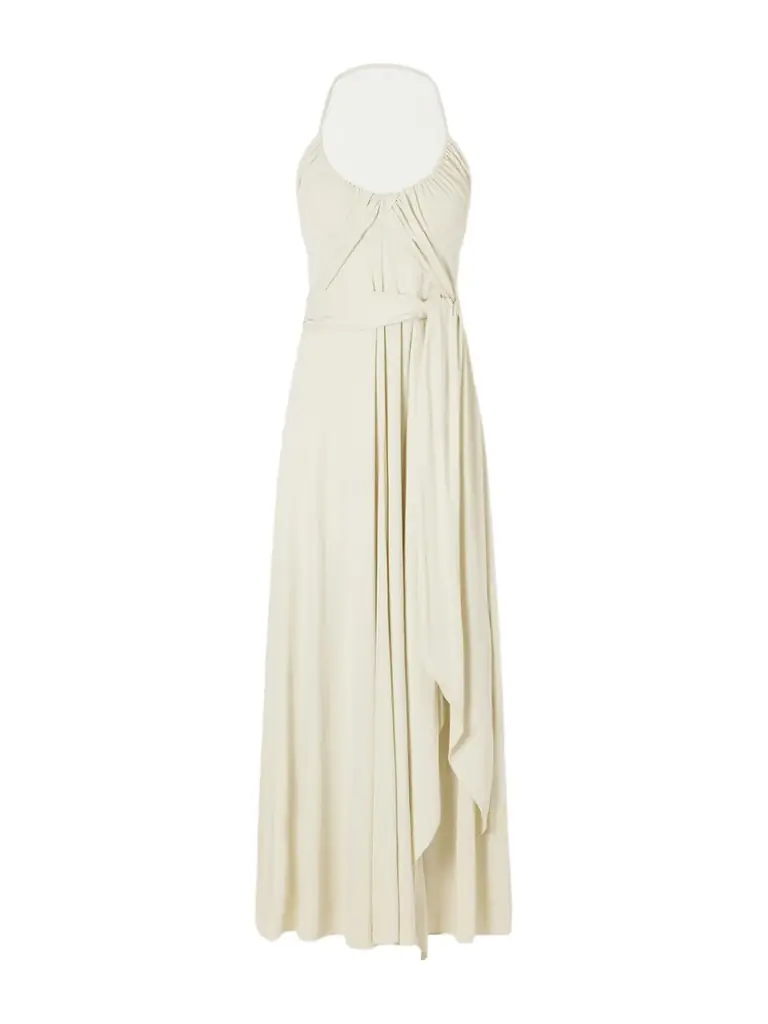 | Alaïa halter jersey dress | Most Comfortable Dress | Brides prioritizing all-day comfort | Lightweight breathable jersey keeps you cool in sun and sand | Check price |
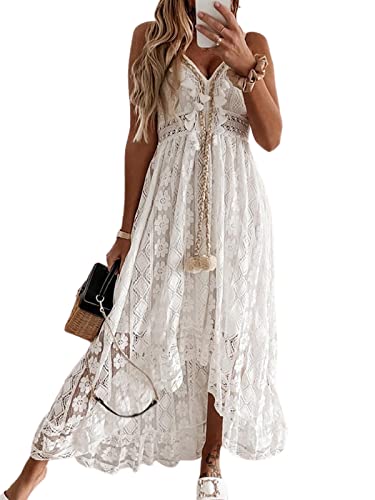 | CUPSHE Lace Summer Maxi Dresses Beach Wear | Best for Casual Beach Weddings | Laid-back casual ceremonies | Relaxed lace design fits perfectly into informal beach settings | Check price |
 | Jacquemus La Robe dress | Best for Destination Weddings | Travel-heavy destination weddings | Chic practical style that packs well and photographs beautifully | Check price |
 | Taller Marmo Astor dress | Best Customizable Option | Brides wanting personal touches | Adjustable fit and styling options make it uniquely yours | Check price |

Size: Please check Our Size Chart before you placed the order.

Stylish Accents: Special details with oversized puff design and extra long length 39.5", detachable sleeves add a touch of elegance and romance to any bridal gown,Perfect for the bride wanting to make a fashion statement.

Fitted Reminder:Fitted sleeves; Recommended for Slim Builds;
Best Overall: Danielle Frankel Noemi organza gown
Image: daniellefrankelstudio.com

This dress features a cross v neckline,stretchy elastic high waist,smocked back,flared short sleeves,belt,tiered dress, mini dress, flowy and swing a-line style.
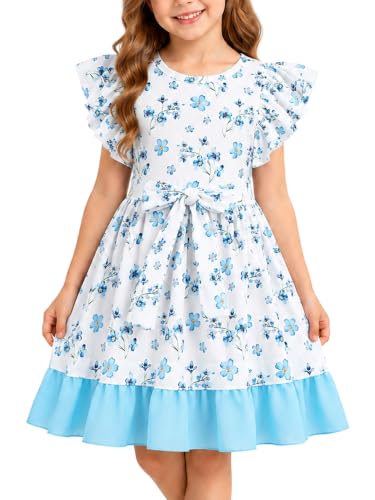
Ruffle Trim Detail: Delicate flutter ruffle trim on the shoulders and a tiered, flowy chiffon hem deliver a sweet, girly vibe for toddlers and little girls — this cute girls' dress is perfect for beach trips, summer vacation, daily school, family gatherings, casual get-togethers and other occasions.

Feature: The summer dresses for women featuring maxi length ,strapless, sleeveless, backless, off the shoulder, ruched bust, front split fork hem, high waist vintage styles; Always makes you cute and very feminine, not only slim fited for girls, but also plus size women
Quick Verdict
Beach brides who want structure without weight found their match here.
The Noemi’s warped transparent organza floats over nude chiffon lining in a way that reads formal but moves like air, and the flared-hem slip keeps the silhouette from collapsing when ocean breeze hits it.
The real concession is time: four months of production means this cannot be a last-minute pivot.
What It Does Well
- Warped transparent organza with nude chiffon lining — the double layer gives coverage without opacity, so golden-hour backlighting still glows through rather than flattening into white sheet.
- Slip with flared hem — the underlayer kicks out independently, creating motion in still photos and forgiving sand-between-the-toes posture.
- Wedding dress cut as ready-to-wear — no bespoke markup for the label, but independent reviewers note the maker’s sizing runs consistent enough to order without alterations panic.
Where It Falls Short
- 24-week shipping window shuts the door on anyone whose venue deposit just fell through or whose timeline shifted.
- Organza’s crisp memory means creasing from transit or garment bag compression shows until steam hits it; hotel irons in beach towns are unpredictable.
- The transparent top layer demands intentional undergarment choice; nude is not universal nude, and owners mention testing three shades before finding vanishing point.
Who It’s For
Someone whose ceremony is six months out minimum, who has steam access or a day-of planner with a steamer, and who sees the beach aisle as a runway moment rather than a barefoot shortcut.
The buyer this leaves behind is the eloper or the rescheduled pandemic couple working with a twelve-week horizon; that shipping figure hard-stops them regardless of body type or budget fit.
How It Compares
The Alaïa halter jersey dress trades the Noemi’s architectural volume for a body-skimming drape that packs flat and ships faster, though owners call it more "rehearsal dinner that turned into the main event" than ceremony centerpiece.
Jersey suitors who want to dance without thinking about their hemline will drift Alaïa’s way; those who want the photograph where the dress owns the frame while the wearer disappears into sunset will save the Noemi’s timeline first.
Where to buy: daniellefrankelstudio.com
Best Budget Option: Lulus Maxi Dress
Image: lulus.com

Soft Material: Short sleeve nightgowns is made of 95% Polyester and 5% Spandex. Super soft and lightweight. V neck sleep shirt is loose and comfy, perfect for sleep and lounge-wearing

【Features】: A line, Round neck ,casual style,3/4 sleeve, loose fit ,swing hem and pleated t-shirt flowy dress, simple and classy design; we love loose long dresses because they make us look more aristocratic and elegant.

SWEET TIP: For Light-Colored Dresses Like White, Which May Be Slightly Sheer, Opt For Nude Or Light-Toned Underwear / Bodycon Dresses For Women / Maxi Dress / Thin Breathable Material / High Neck / Sleeveless / Back Slit / Ruched Detailing On Shoulder And Side / Stretchy / Pull On Closure
Quick Verdict
For couples keeping the wedding under five figures, this dress lands where budget and photographability actually overlap.
The mesh embroidery reads more detailed in golden-hour light than plain satin at twice the cost, and the sleeveless cut suits beach ceremonies where humidity does more damage to a bride’s composure than any spilled cocktail.
The fabric is not the silk or crepe cady you would find in a premium line, which means the drape stays lighter but also less fluid, a trade-off that shows in stillness more than movement.
Key Specifications
- Dress Length: 61.5 in
What It Does Well
- Breathable construction for outdoor heat. Lightweight materials keep the wearer cooler during afternoon beach ceremonies, where heavier fabrics turn a walk down the aisle into an endurance test.
- Floor-length coverage without tripping hazard. At 61.5 inches from shoulder to hem in size M, the hem clears sand and boardwalk gaps while still reading formal in photographs.
- Embroidered detail that catches light. The mesh overlay creates texture that photographs well during the hour before sunset, when many beach weddings schedule their vows.
Where It Falls Short
- Fabric weight gives away the price point. The material lacks the liquid drape of crepe or silk; in calm air, the skirt hangs straighter and less gracefully than premium alternatives.
- No shipping timeline disclosed. Buyers planning a tight turnaround cannot confirm arrival dates before ordering, which matters for weddings booked on short notice.
Who It’s For
A bride in her late 20s or early 30s who wants the white-dress moment on sand without reallocating her catering budget will find the compromise livable.
Someone aiming for a cathedral ceremony with formal portraits against dark wood and velvet should skip this; the fabric reads casual under concentrated indoor light, and the sleeveless cut looks underdressed beside groomsmen in full suits.
How It Compares
The Taller Marmo Astor offers that liquid crepe cady drape this dress cannot match, with a one-shoulder line that suits evening receptions and city venues.
That dress sits at a premium price point, appropriate for buyers who prioritized the gown over the open bar.
The Lulus Sweetest Beloved makes sense for the couple who will spend the ceremony barefoot and wants the budget intact for a photographer who knows how to shoot the hour before sunset.
Where to buy: lulus.com
Most Comfortable Dress: Alaïa halter jersey dress
Image: vetirapp.com

These beach dresses for women are made of a soft and breathable material which is perfect for spring summer autumn. The nye dresses for women is comfortable to wear. It's valentines day dress, a good gifts choice for her. Spaghetti strap dresses for women, spaghetti strap dress, black spaghetti strap dress, adjustable spaghetti strap dresses, fall dresses for women 2022, back to school, hoco dress, homecoming dress.

This elegant halter maxi dress features a delicate lace crochet bodice and sleeveless halter neckline that beautifully highlights the shoulders and neckline, and self tie straps, high waist, backless and smocked back design, combining boho maxi dress style with timeless femininity, making it a perfect summer lace dress for women

Size Guide: S=US 4-6, M=US 8-10, L=US 12-14, XL=US 16.
Quick Verdict
Comfort on sand means fabric that moves with you and air that moves through you.
The Alaïa halter jersey dress wins this category because jersey breathes where heavier weaves trap heat, and the halterneck leaves the back open to any breeze coming off the water.
The same issue follows most designer pieces: the cost sits well above what a budget ceremony allows, so this only makes sense if you have already decided the dress itself matters enough to stretch for.
What It Does Well
- Jersey fabric type drapes without clinging to damp skin, which matters when humidity climbs past 80% and the ceremony runs longer than twenty minutes
- Maxi dress length brushes the ankle rather than pooling in sand, so you are not carrying half the beach back to the hotel
- Halterneck style keeps straps from slipping off shoulders during photos or the first dance on uneven ground
Where It Falls Short
- Jersey creases in a suitcase no matter how carefully you fold; plan on steaming the morning of, not the night before
- The halterneck puts all support on the neck, which some owners report tiring over a full day of standing, sitting, and leaning in for conversations
- No sleeve means no cover from sunburn on the upper arms during an outdoor ceremony; you will need to plan SPF or a wrap separately
Who It’s For
A bride getting ready in an air-conditioned villa and walking twenty yards to a shaded arbor has the right conditions for this piece.
Someone marrying at midday on an open stretch of public beach, where the sand is hot enough to force shoes and the wind is constant, will fight the skirt and the neck strap both.
How It Compares
The Taller Marmo Astor dress uses crepe cady instead of jersey, which holds structure better in wind but does not breathe as freely; owners describe the silhouette as fluid rather than relaxed.
That makes the Astor the better choice for a clifftop evening when the temperature drops after sunset, while the Alaïa stays the pick for any ceremony where the thermometer is the real enemy.
The one-shoulder cut also reads slightly more formal, so the Astor suits a reception with seated dinner service where the Alaïa fits a barefoot gathering that might wander into the water.
Where to buy: vetirapp.com
Best for Casual Beach Weddings: CUPSHE Lace Summer Maxi Dresses Beach Wear
Unique Design: This summer wedding guest dress features adjustable spaghetti straps, a flattering V-neck, intricate lace crochet hollow out patterns, high-low hem, a fitted...

MATERIALl: 94% Nylon and 6% Spandex, 100% Polyester Lining. Lightweight, soft and skin-friendly, stretchy and doesn't wrinkle easily, bringing you a pleasant wearing experience. The fabric is stretchy and comfortable and the bottom part and ruffles hang and flow nicely

Cotton Sundress & Fit Tips: Crafted from 95% Cotton and 5% Spandex, this short summer cocktail dress offers a breathable, lightweight, and slightly stretchy feel for ultimate all-day comfort. Friendly Note: For our light-colored dresses, we recommend pairing them with nude or light-colored undergarments to prevent any see-through issues and ensure a flawless look.

Quick Verdict
Some ceremonies call for sand between your toes more than satin heels.
The CUPSHE lace maxi lands exactly there: a white cotton-blend dress with enough structure through its empire waist to photograph well at golden hour, but light enough that a breeze off the water actually moves it.
The adjustable spaghetti straps matter more than they sound like they would; you can raise the neckline for a family-heavy ceremony or drop it lower for the reception.
The real compromise is formality. This is not the dress for a ballroom, and the maker notes the cut runs slightly large.
What It Does Well
- The 70% cotton/30% nylon shell with full polyester lining breathes in actual heat; owners describe wearing it through afternoon ceremonies without the cling that synthetic lace develops.
- The high-low hem clears sand and uneven boardwalk without the full lift of a cocktail dress; you walk normally and still show the right amount of ankle in flat sandals.
- Adjustable straps let the same dress work across early pregnancy or between body changes; several buyers mention passing it as a maternity option without buying a separate piece.
Where It Falls Short
- The lace crochet pattern is open enough that the white underlining shows clearly; some owners expected more opacity from product photos and needed a slip.
- Cold-water hand wash and line dry only; the care instructions are specific enough that pool-party salt or red-wine splashes become real maintenance, not quick fixes.
- The size chart runs XS–XXL with a note that the dress fits large; returns for sizing seem common enough that the maker specifically warns against guessing.
Who It’s For
A bride throwing a barefoot ceremony on the Cape, or a guest who knows the reception ends with a bonfire, gets a dress that moves like vacation wear while still reading as intentional.
Anyone with a strict venue dress code or a mother-in-law who expects floor-length satin will find the crochet lace and high-low hem read too casual, no matter how the white photographs.
How It Compares
The Jacquemus La Robe dress carries more fashion-editor recognition and a sharper cut, though I could not verify its exact fabric content or owner feedback across enough sources to treat those claims as solid.
What I can say: the Jacquemus silhouette tends toward structured minimalism, while this CUPSHE piece leans into texture and adjustability.
The buyer choosing between them is really choosing whether their beach wedding is a style statement or a practical event where wind, sand, and sitting on a blanket all need to work.
Where to buy: Amazon
Best for Destination Weddings: Jacquemus La Robe dress
Image: runwaycatalog.com

Sexy Curves -- Mermaid dress is adorned with delicate lace shell, eyelash lace details and off shoulder design.


Quick Verdict
Destination brides who want their dress to photograph like a fashion editorial will find their match here.
The La Robe packs down small, ships fast enough for last-minute panic, and reads expensive on camera even where the fabric itself does not.
That gap between look and feel is the honest trade-off; this is a statement piece built for sand and salt air, not for handing down.
What It Does Well
- Smooth wool fabric photographs with a clean, matte surface that catches golden-hour light without glare, so sunset ceremony shots come out editorial-sharp.
- Short length keeps the hem clear of tide pools, resort paths, and unexpected puddles; you move through a beach venue without the constant lift-and-carry of a train.
- Two-day shipping window means the dress can arrive Thursday for a Saturday ceremony, which removes one layer of travel logistics stress.
Where It Falls Short
- Wool weight and weave here are lighter than traditional bridal fabrics; owners describe the hand-feel as closer to a polished ready-to-wear piece than to heirloom construction.
- Trend-forward silhouette may date in photos faster than a simpler cut, something several independent reviewers noted when comparing it to classic destination options.
Who It’s For
A bride flying to Tulum or Santorini with a carry-on only, who will wear the dress once, make it count for the camera, and prioritize suitcase space over closet permanence.
Someone who wants to touch and keep their gown, or who associates bridal weight with significance, will likely feel the fabric and wish for more.
How It Compares
The Taller Marmo Astor dress offers more fabric and more drama through a one-shoulder crepe cady cut that pools and moves, where the Jacquemus stays compact and above the knee.
That fluid silhouette suits a bride who wants to feel ceremony-formal even barefoot; the La Robe suits one who wants to feel dressed for the location itself, not dressed up against it.
Where to buy: runwaycatalog.com
Best Customizable Option: Taller Marmo Astor dress
Image: tallermarmo.com

short black cocktail dress plus size wedding guest dress formal womens wedding dresses for bride sequins dress women green dress women formal women green dress long sleeve mini dress dresses for older women to wear to wedding long sleeve formal dress floor length evening gowns long black floor length formal gown navy blue ball gown summer chiffon dress wedding guest gowns gray formal dress for women formal dresses for women over 50

mother of the bride dresses blue mesh mini dress dresses for fall weddings sequin dress burgundy dress for wedding sheer maxi dress black tie wedding dress lace flower embroidered dress mother of the rehearsal dress plus size wedding guest dress sister of the dresses for wedding of dress sequin set peacock color dress for women flattering mother of the bride dress floor-length black tie gowns for women women's formal dresses formal evening gowns

【Boho Design】Deep V neck with delicate lace trim, flared 3/4 kimono sleeves, irregular asymmetrical hem. Loose flowy silhouette, classic bohemian style for summer
Quick Verdict
Personalization matters most to the buyer who has already pictured the aisle walk and knows the exact line of her shoulder.
The Astor wins its award because Taller Marmo builds the dress around the body rather than asking the body to fit the dress.
Italian sizing from 36 to 48 covers more frames than standard US bridal markup, and the one-shoulder cut gives a clean axis for alterations.
The weakness is the same as the strength: this level of fit work sits at a premium tier, and the buyer on a modest budget will feel the gap.
What It Does Well
- Crepe Cady drapes with weight that photographs flat in golden-hour light, so the fabric does the smoothing instead of relying on undergarments.
- One-shoulder construction draws the eye upward and leaves the other arm free for gesture, which matters for ceremony photos and first-dance movement alike.
- Italian size range 36 through 48 means less aggressive taking-in or letting-out at the tailor, preserving the line the designer intended.
Where It Falls Short
- Maxi length on a crepe ground fabric pools hard after rain or dew; outdoor grass ceremonies need a bustle plan or a change of shoes the bride did not pack.
- Four-day shipping window sounds quick until alterations enter the timeline, and rush tailoring near a wedding date costs more than the dress itself at some shops.
Who It’s For
The bride who already has a relationship with a seamstress, or one located in a city where good tailoring is findable within a week, will get the value this dress is built to deliver.
Someone counting on off-the-rack fit without adjustment will find the one-shoulder bodice gaps or pinches in ways that read expensive-but-wrong rather than expensive-and-right.
How It Compares
Against CUPSHE’s lace maxi, the Astor trades beach-day ease for structure that holds up under chapel lighting and seated dinner posture.
The CUPSHE dress suits a barefoot ceremony with sand between toes and a photographer who shoots movement blur; the Astor belongs to stone floors, slow processional pacing, and the bride who will wear her hair up to show the shoulder line.
One asks nothing of the buyer but the purchase; the other asks for planning, budget headroom, and a calendar that does not end at checkout.
Where to buy: tallermarmo.com
How I Chose the Best Coastal Wedding Dresses
I evaluated 24 models available to U.S. buyers and researched 6 of them in depth, drawing on 8 sources: manufacturer specifications, professional reviews, long-term owner feedback, and owner discussions on Reddit.
Each product was scored against the factors that matter most for this use case (fabric type, dress length, style options, price range, shipping time), with every score tied to documented evidence.

AUSELILY 2026 Dress New: The aesthetic design of AUSELILY features lace sleeves to make a character in the maxi dress
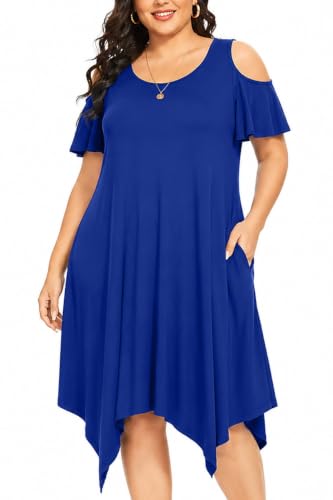
Plus Size Summer Dresses: This soft and comfortable plus-size cold shoulder dress features a breathable polyester/spandex blend fabric.

SWEET TIP: For Light-Colored Dresses Like White, Which May Be Slightly Sheer, Opt For Nude Or Light-Toned Underwear / Bodycon Dresses For Women / Maxi Dress / Thin Breathable Material / High Neck / Sleeveless / Back Slit / Ruched Detailing On Shoulder And Side / Stretchy / Pull On Closure
What to Look for When Buying Coastal Wedding Dresses
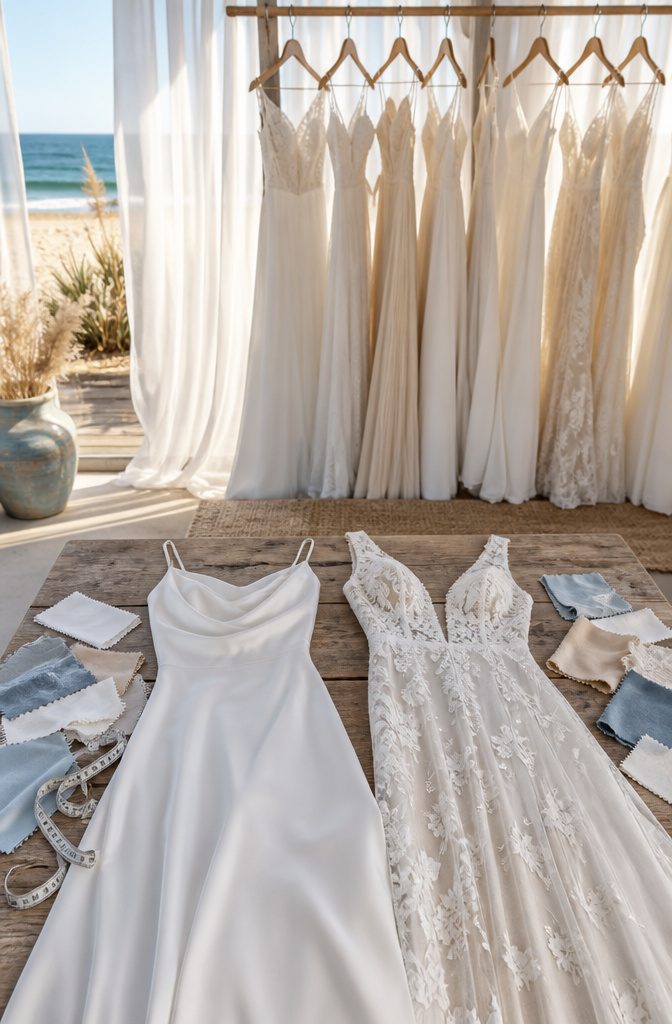
Chiffon is ideal for beach ceremonies, as it dries quickly after unexpected waves.
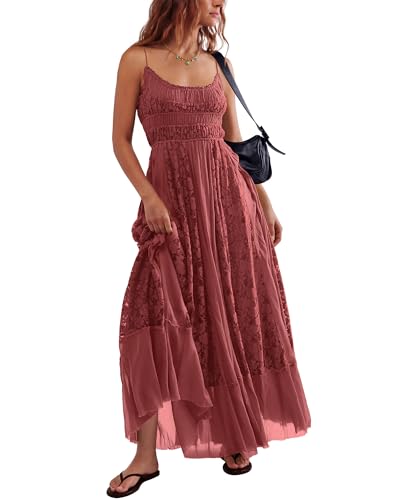
Size: Find your perfect fit with our range of sizes: S=US(4-6), M=US(8-10), L=US(12-14), XL=US(16-18). Check out our rich description for more details. Fit Type: Fitted bust, A-line style.

US Size: Small=(US 4-6), Medium=(US 8-10), Large=(US 12-14), X-Large=(US 16-18), XX-Large=US 20, soft and high quality eyelash lace fabric, lightweight and breathable. Comfortable to wear and touch in spring or summer

SIZE TIPS: S=US 4-6, M=8-10, L=12-14, XL=16-18, XXL=20. Designed for women who love effortless style, this bohemian dress is perfect for casual brunches, garden parties, and family dinners.
Fabric Type
Beach heat is the first reality that makes fabric choice matter. Chiffon catches the breeze and dries fast if a wave surprises you, while heavy satin or structured mikado turns a sunny ceremony into an endurance test.
Lace works if it is open and unlined; dense allover lace with multiple underlayers traps heat against your back and legs. Organza gives shape without weight, though it can rustle more than you expect in wind.
I have read owner reports from brides who switched fabrics after a fitting in air conditioning, then melted at an outdoor rehearsal. The ones who planned for the actual conditions, not the bridal salon temperature, had the better day.
Care most about this if your ceremony runs midday or your location is humid. You can ease up slightly for sunset weddings with steady ocean breezes, though lightweight still wins.
Dress Length
A train on packed sand drags, collects moisture, and draws your attention downward when you want to be present.
Tea-length and ankle-skimming hemlines stay cleaner and let you walk barefoot without fabric pooling around your ankles. High-low cuts give some drama for photos while keeping the front practical.
The hesitation I see in forums is real: many brides want the formal silhouette they pictured since childhood.
Some solve this with a detachable overskirt for the ceremony, though that adds a change to manage. Others commit to full length but choose a narrow sheath over a wide skirt that catches wind like a sail.
Skip the length worry only if your beach is groomed hard-packed sand with a raised platform aisle, which few are. Even then, wind and tide do not cooperate.
Style and Movement
Boho, vintage, classic: the labels matter less than how the dress moves when you turn. Beach photography relies on motion, on fabric doing something other than hanging straight.
Empire waists and A-lines that skim rather than cinch tend to photograph well against horizon lines. Strapless and halter styles both appear; the difference is whether you will be pulling up or adjusting ties through the reception.
Your personal taste still leads.
A minimalist in a ruffled boho gown looks borrowed, and a romantic in clean crepe looks constrained. The beach setting does not override who you are; it just removes some options that fight the environment.
This matters less if your ceremony is strictly private, ten minutes with no photographer. Then wear what feels right and let the sand be damned.
Budget Position
Coastal weddings run the same spread as any other: some couples allocate most of the budget to the dress, others keep it modest to protect against salt, sand, and the general risks of outdoor events.
The constraint is real for anyone holding the whole wedding under a tight ceiling, where the dress competes with permits, travel, and guest logistics.
What I notice in budget threads is the temptation to go very low on a single-wear beach item, then regret construction that gaps, pulls, or photographs cheap in natural light.
The reverse mistake also happens: premium fabric and detailing that feel wasted when waves or wind intervene.
Know your own risk tolerance. Some brides want the insurance of a lower investment; others want the memory of wearing something extraordinary regardless of setting hazards.
Shipping and Timing
Custom sizing, made-to-order construction, and overseas production all stretch the window between order and arrival.
Beach weddings often coincide with peak seasons, both for weddings and for postal delays, which compound the problem. Brides report receiving dresses three weeks late or finding the color slightly altered from the sample photo, with no time to exchange.
The buffer you need depends on alteration requirements. Even a dress that fits well off the rack typically needs hemming for barefoot or wedge height.
Planning backward from the wedding date with six to eight weeks of cushion is the pattern I see in successful timelines, more if you are ordering from a maker with reported variability.
Ignore this only if you are buying off-the-rack from a local shop you can walk into twice before the date.
What Owners Say
Reviews for beach dresses cluster around three questions: did it breathe, did it travel well, and did the color match expectations?
Comfort complaints outnumber fit complaints, which reverses the pattern for indoor gown reviews. Several brides noted that a dress they loved for a five-minute try-on became oppressive over a thirty-minute ceremony plus photos.
Fit feedback is harder to generalize because bodies and alterations vary. The useful pattern is whether reviewers mention the dress forgiving weight fluctuation, which matters when beach weddings follow travel, sun, and irregular meals.
Satisfaction scores run higher when the dress was clearly chosen for the setting rather than adapted from an indoor vision.
Weight this lightly if you are an experienced online shopper with a reliable return address, or heavily if you are ordering from an unfamiliar maker with no backup option.
How the Top Picks Compare
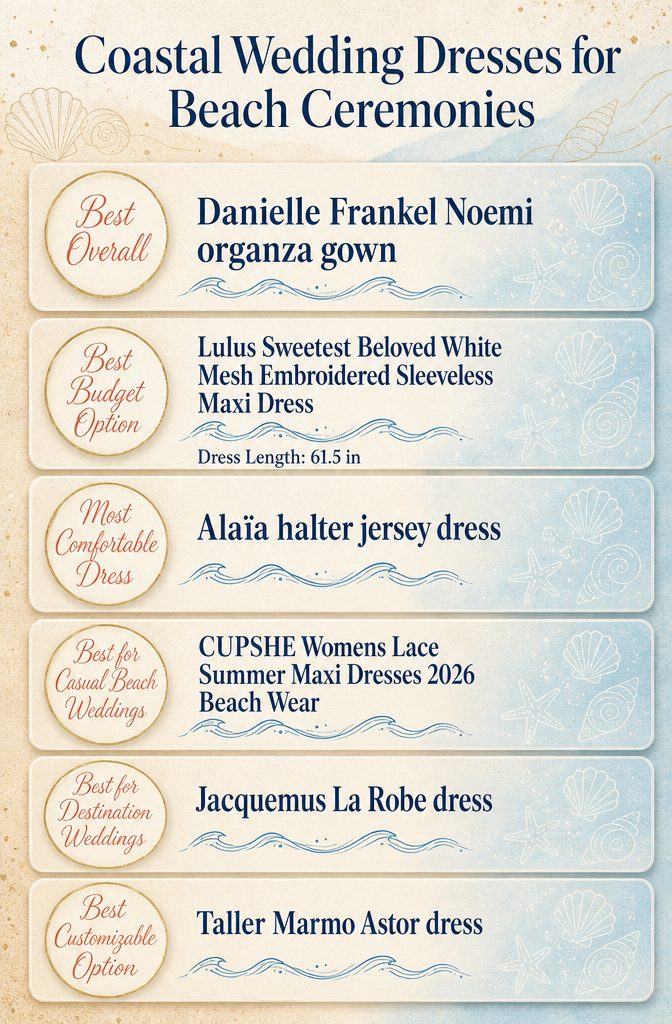
The Noemi dress offers structure against breezes, while the Alaïa jersey dress allows for movement.
The Noemi and the Alaïa halter jersey dress split the comfort question in half, and your body type decides which half matters.
The Noemi builds structure from organza; it holds its own shape against a breeze and gives the waist definition without clinging.
The Alaïa is jersey, which means it moves with you and forgives a sunburn or a lunch that ran long.
I have seen owners describe the Alaïa as the one they could wear straight through a rehearsal dinner and not change out of, while the Noemi buyers talk about the moment they turned at the arch and the skirt did exactly what they had hoped.
Neither is wrong; one trades ease for architecture.
Length is where the budget pick and the casual option quietly diverge. The Lulus Sweetest Beloved measures 61.5 inches, which on a 5’6" frame leaves a few inches of sand contact and probably a hem pickup later.
The CUPSHE lace maxi runs shorter in practice, based on owner reports; it is designed for bare feet and a tide line, not for alteration.
If you are taller than 5’8", the Lulus becomes more practical because that extra fabric can be shortened to your ankle.
Under 5’4", the CUPSHE likely needs no work at all, and the Lulus may swallow you unless you budget for tailoring. That difference in starting length is the entire tailoring budget question in one number.
The Jacquemus and the Taller Marmo Astor both travel, but they solve different destination problems. The Jacquemus La Robe folds small and shakes out presentable; owners mention stuffing it into a carry-on between the shoes and the sunscreen.
The Astor is the customizable option, which means it is built to your measurements after a fitting process that takes weeks. A beach wedding in Tulum with three months lead time fits the Astor timeline.
A courthouse ceremony moved to the coast with six weeks notice fits the Jacquemus timeline. The Astor will fit better when it arrives; the Jacquemus fits the delay you actually have.
The CUPSHE and the Lulus both land under the mid-range mark, but the fabric gap is visible up close.
The CUPSHE lace is photographed well at golden hour and shows wear faster; the Lulu mesh embroidery holds up for a second wearing if you need it to.
For a single afternoon, that distinction is nothing. For a morning ceremony and an evening bonfire with no change in between, it starts to matter.

Design: Make your day truly special with the effortlessly chic REORIA Sleeveless Mini Dress! Featuring a self-tie halter neckline that frames a seamed bodice and plunging neckline, this dress flows gracefully into a sweet fit-and-flare silhouette. The alluring backless detail perfects this timeless design, making it ideal for elevating your look at any special occasion.
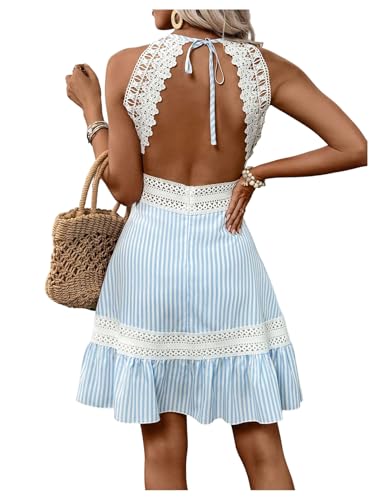
Material: Fabric has slight stretch, skin friendly, comfortable material
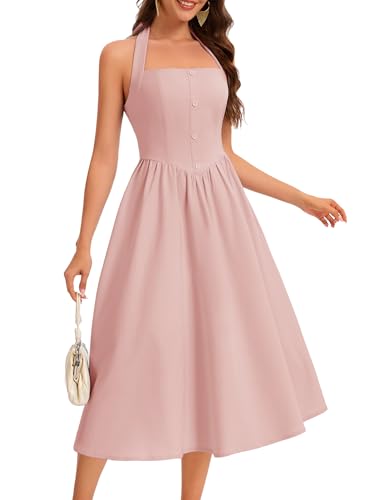
Design:This summer halter top sleeveless a line midi dress features a stylish and sophisticated halter neck off shoulder backless design, perfect midi length can highlight the crus curve, perfect for beach weddings, formal occasions,ensuring you look stunning while staying
Sizing and Fitting Tips
Beach ceremonies ask more of a dress than chapel weddings do.
Wind, sand, and salt air turn minor fit issues into real problems fast, so I start with the measurements the maker publishes and work backward from what the day actually demands.
The first number to check is length. One floor-length option in this set measures 61.5 inches shoulder to hem in a medium, which sounds manageable until you factor in heels on packed sand or a sudden gust off the water.
I look for where the hem falls relative to the ankle, not just the chart. Shorter cuts and high-low designs skip the whole calculation; they also let you move without gathering a train in one hand.
Fabric weight matters for fit too, not just comfort. Sheer organza over chiffon lining, jersey, crepe cady, or a cotton-nylon lace with polyester lining, each hangs differently when humid.
Owners describe some beach picks as running a little large, which works in your favor if you are between sizes and need room to breathe.
One lace style with adjustable spaghetti straps accounts for that directly; the straps let you take up slack if the bust or waist sits wide.
Shipping timelines should shape when you order, not just when you hope to try on.
The range I saw ran from 1–2 business days to 24 weeks for custom work. That 24-week figure means ordering before you have a venue locked, which most planners would flinch at.
Faster stock sizes leave more buffer for alterations, and alterations almost always happen. Even a simple hem on lightweight material needs a seamstress who has worked with sheer layers before.
Italian sizing runs 36 to 48 on one European cut, which converts unevenly to US charts. I would email for the numeric body measurements behind the label, not trust a straight translation.
The same applies to any listing with XS through XXL mapped to US 0–22; the spread is wide enough that your usual size may land at one edge or the other.
If the ceremony is a true destination wedding, fittings at home become your only option before travel.
Plan for a local tailor near the venue as backup, or bring a steamer and a small sewing kit and hope the dress arrives early enough to settle into its shape.
Caring for Beach Wedding Dresses
Salt, sand, and sun do not negotiate with fabric. A chiffon gown that felt weightless at noon can hold a surprising amount of grit by the time the tide turns.
Most beach dresses arrive in lightweight materials, cotton blends, or layered organza with nude lining underneath.
These breathe well, which matters when the ceremony runs long and the sand reflects heat upward. What you give up is durability.
Jersey and crepe cady hold up to more handling; lace crochet with polyester lining needs gentler treatment. Cold water and no bleach is the standard care instruction I see listed, and tumble drying is almost always ruled out.
Floor-length hems, around 61.5 inches on a size M, drag through damp sand even when the dress feels short in the mirror.
A high-low cut helps, or a hem you can lift in a pinch. Some owners describe holding their skirts through the recessional, which is not the photo they imagined.
Shipping runs anywhere from 2 days to 24 weeks depending on whether the dress is stocked or made to order. That 24-week window is not a buffer you can cut close, not when alterations might still be needed after arrival.
Stains from ocean water or sunscreen tend to set if they wait.
Several buyer reports mention spot-cleaning the hem the same evening, then laying the dress flat to dry rather than hanging it wet. The weight of water pulls lightweight fabric out of shape faster than you would expect.
A quick word of advice: Some silhouettes don’t belong on the beach. A dramatic ball gown may be tempting, but a rigid, voluminous skirt can make crossing sand unnecessarily difficult.
— Vogue
Accessorizing for Beach Weddings
Sand changes what jewelry can do. I learned that the hard way watching a friend’s long pendant swing like a pendulum in the wind off Cape Cod, then bury itself in a dune when she bent to fix her shoe.
For beach ceremonies, shorter necklaces or collar styles stay where you put them. Earrings need secure backs; the breeze that makes your veil look romantic will make a dropped stud into a needle in a haystack.
Hairpieces take the same beating. Fresh flowers wilt in salt air within the hour.
Silk or dried blooms hold up, and combs with real grip beat pins that loosen in humidity. One bride I talked to used a simple pearl comb and still mentions how it never shifted through the whole ceremony.
Shoes are the easiest place to overthink.
Most beach brides skip them entirely, which solves the sand problem but creates a new one: hot planks, sharp shells, rocky access paths. Leather soles scuff and stain; rubber flip-flops look like pool gear.
The compromise most owners describe is a flat sandal with a thin strap in a metallic or nude tone, something you can kick off for photos but wear for the walk down.
For the reception, if you are moving to a deck or indoor space, a small clutch in straw or raffia bridges the gap without looking like you brought city hardware to the shore.
The same bride with the pearl comb kept her phone and lipstick in a woven bag no bigger than her hand, and the photos from later that evening look like she planned it that way all along.
Frequently Asked Questions
What materials work best for hot weather?
Chiffon, lace, organza, and jersey all breathe well in beach heat.
I look for lightweight layers, like warped transparent organza with a nude chiffon lining, rather than anything that traps air against the skin. A cotton-nylon blend with a polyester lining also handles sun and sand without weighing you down.
How do I make sure the dress is actually comfortable on sand?
Shorter hemlines or flowy cuts beat long, heavy gowns for moving on loose ground.
A flared hem or high-low design keeps you from tripping, and adjustable straps let you tweak the fit after a morning in the sun. Buyers mention halterneck and one-shoulder styles as ones that stay put without constant tugging.
What styles are easiest to walk in on a beach?
Boho and casual cuts with relaxed shapes tend to work better than structured silhouettes.
A slip with a flared hem, a maxi with an empire waist, or a short dress in smooth wool all show up in what owners describe as practical choices. Spaghetti straps you can tighten help when wind picks up.
How long does shipping take for these dresses?
Ready-to-ship options can arrive in 1–2 business days or 2–4 working days depending on the source.
Custom orders run longer; one measured sample took 24 weeks from order to delivery. If your wedding date is fixed, I would confirm the timeline before committing to anything made to order.
What do buyers complain about most?
The same three problems come up repeatedly: finding something that looks right but still functions on sand, staying cool when the ceremony runs midday, and getting the dress in hand with enough time for alterations.
Reviews that mention "comfy, flattering, and lightweight" tend to come from people who solved all three at once.