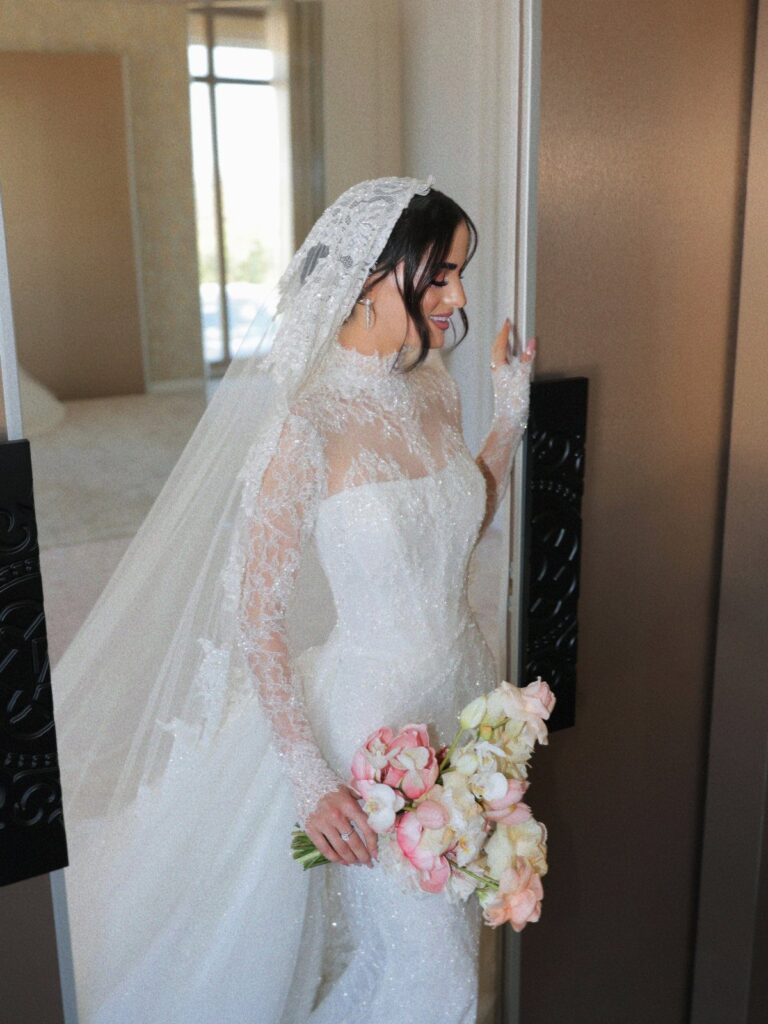
A veil can run from nine inches of stiff netting to 120 inches of sheer tulle that needs a person behind you to manage it, and the length that works depends on where you are standing.
A star-embellished celestial veil needs a simpler gown to give those scattered crystals room, and that pairing sits below.
1. Wedding Dress with Veil and Hairstyle
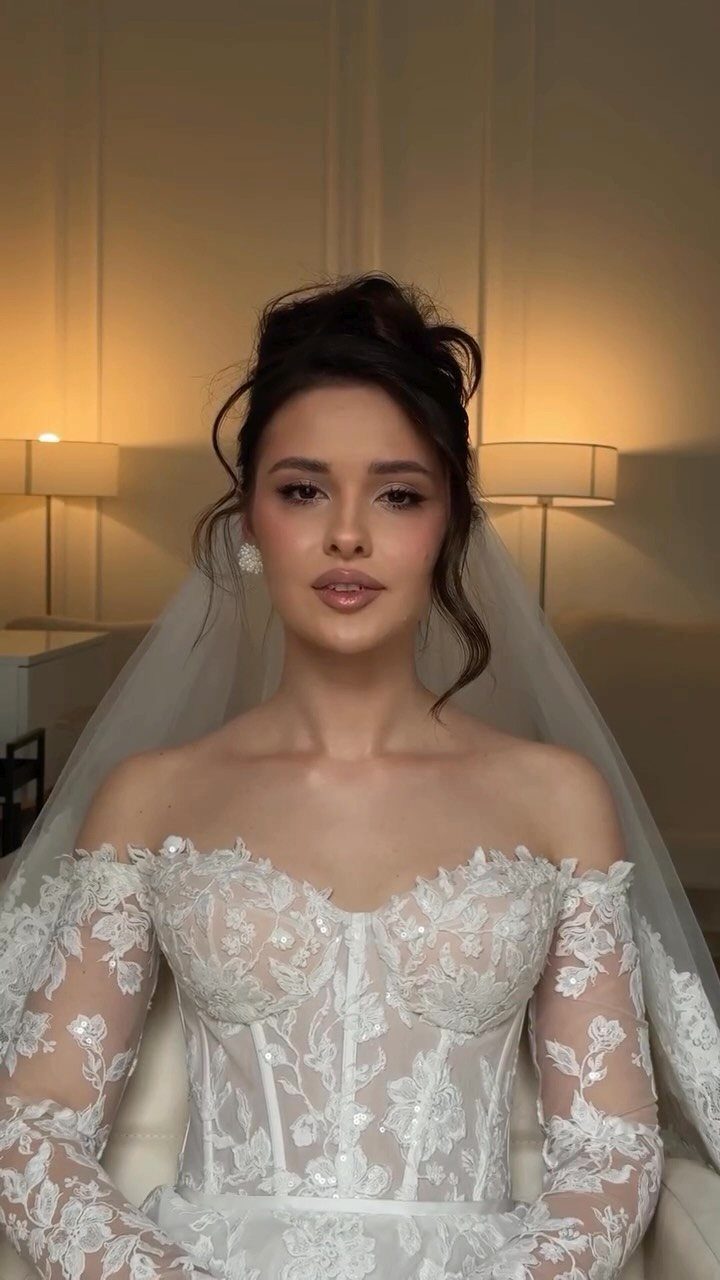
An updo changes where your veil sits and what shows.
I learned this the hard way at my cousin’s wedding: her elaborate twist flattened under a long veil, and half the work disappeared in photos. Talk to your hairstylist before you buy the veil.
An updo still reads with a shorter veil because the shape stays in view. Wearing it down or in natural waves gives you more length options without the same risk.

Veils for women wedding is made of tulle and alloy,original from China.

Shoulder length(22inch), fingertip length(38inch), chapel length(90inch), cathedral length(118inch), 1.5M wide(59inch)
2. Chapel Veils
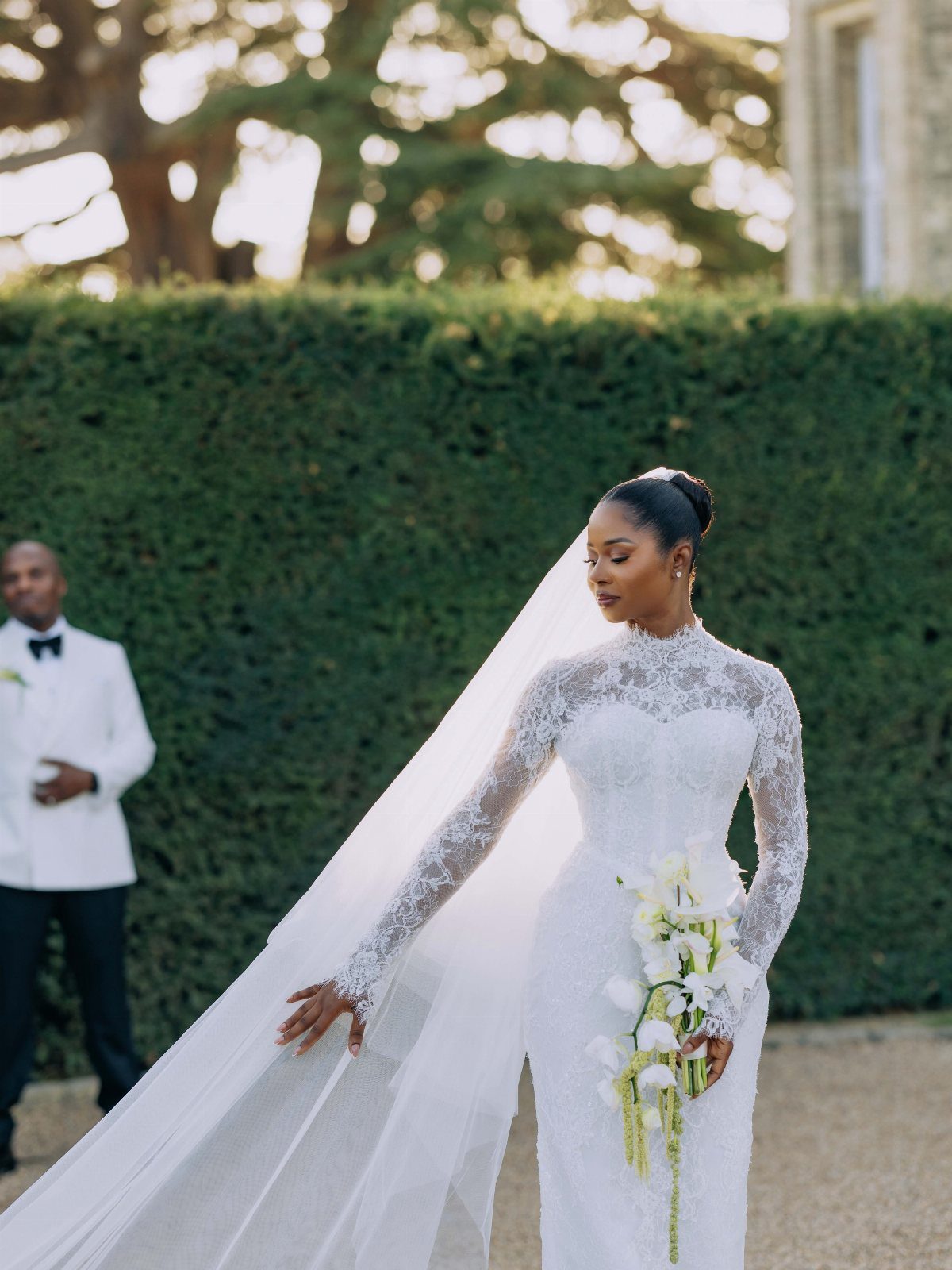
Chapel veils fall 72–90 inches, ending just past your train. The length reads formal without the full staging a cathedral veil demands.
I have seen this work beautifully in old stone churches where the aisle is long enough for the fabric to float but not so long that someone has to manage it.
If your gown has a detailed train, this length adds one more moving layer without hiding what you already paid for.

Choose the ideal length for your ceremony,fingertip length 37.4inch/95cm,chapel length 98.4inch/250cm,cathedral length 118inch/300cm,width 59inch/150cm Hold a piece of pure...
3. Cathedral Veils
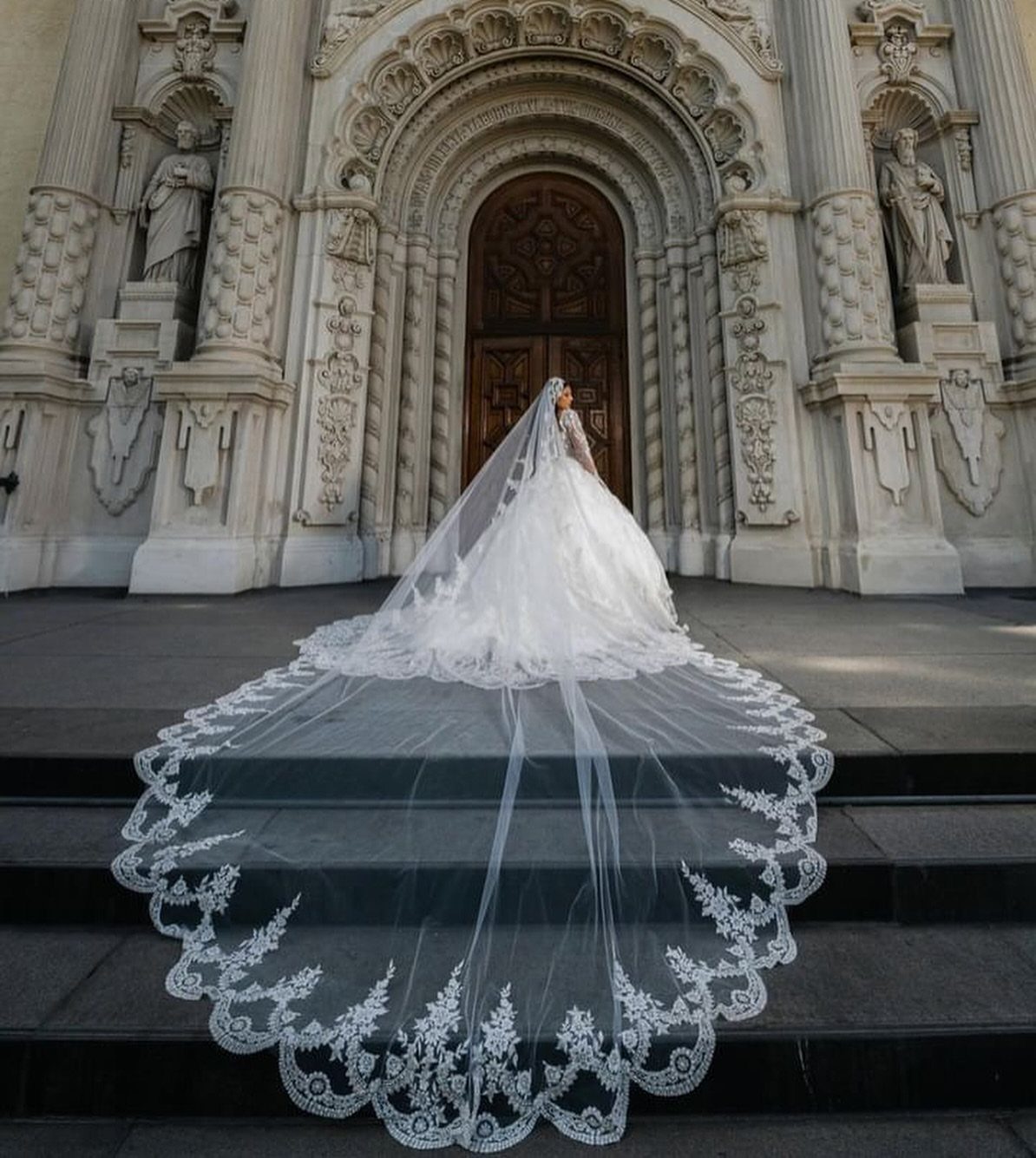
Cathedral veils run 108–120 inches and match or exceed your train. You will need a person behind you to spread and carry it; this is not optional, it is maintenance.
A cathedral veil owns the space on wide steps or a long aisle. Budget for the help, or choose shorter.

Made of tulle and mesh.There is a clip or comb that it can make it securely on your head.

Package Include--You will get 1.1 Yard/1M black veil neting fabrics with small ball lace, the size about 7-7/8 inch(200mm) wide, 0.2~2.5mm thick.

Durable Material - The fascinator hat is made of mesh, durable and lightweight to wear.
4. Birdcage Veils
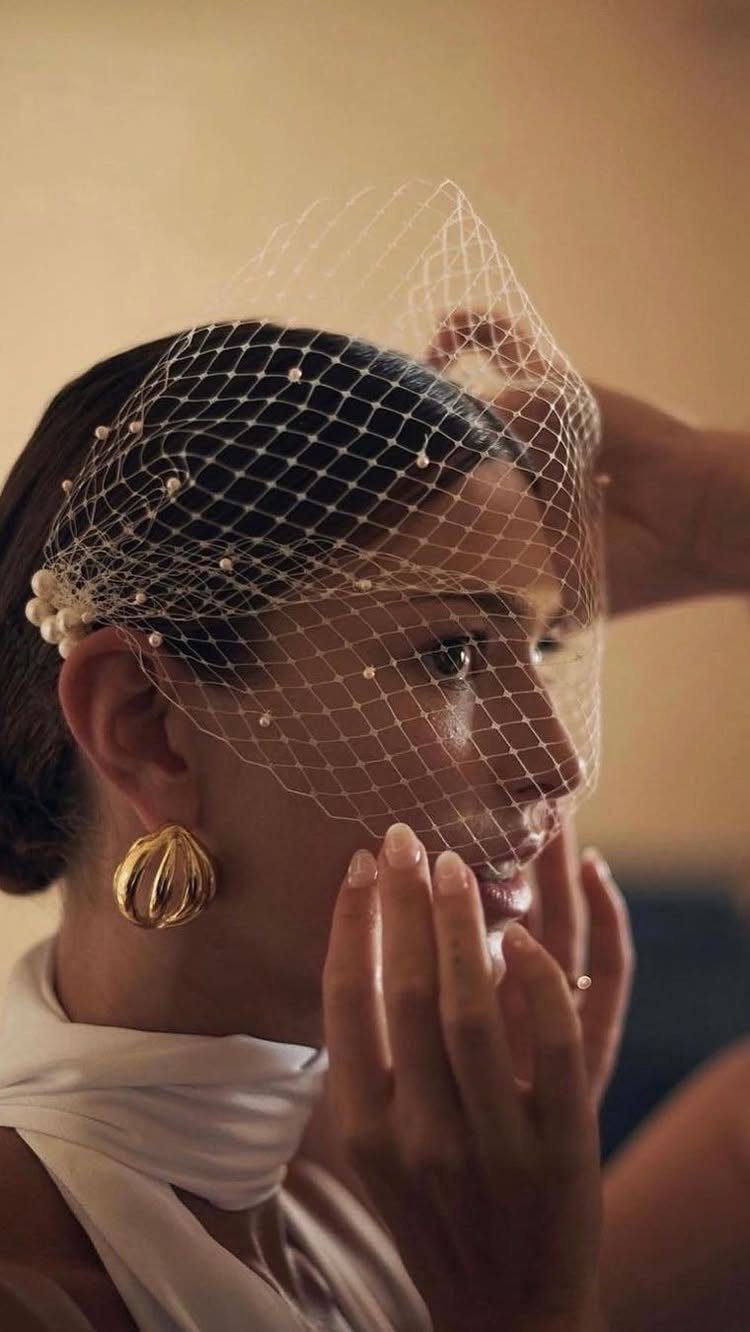
Birdcage veils measure roughly 9 inches of stiff netting or lace, covering eyes to chin in a cage-like shape. The material holds its own structure, which is half the point: it does not need length to register as bridal.
Vintage-styled brides reach for this first, though I have seen it soften modern dresses too. Wear it centered or swept to one side for an asymmetrical line.

TWO TIER VEIL WITH BLUSHER – Romantic two layer bridal veil designed with a shorter front blusher and a longer back layer. Wear the blusher over the face for the ceremony or swept back for an elegant layered look.

【Classic Bridal Veil】This short veil is specially designed for the bride, the classic one layer design is simple but elegant, and would be a great complement to your dress.

Short Wedding Veil - 2 tiers bachelorette party veil, first layer length about 22.5 inch, second layer length about 30 inch. you may put the bridal veil over your face or just wear it behind. When wearing the veil, it will dangle naturally to your waist or elbow.
5. Blusher Veils
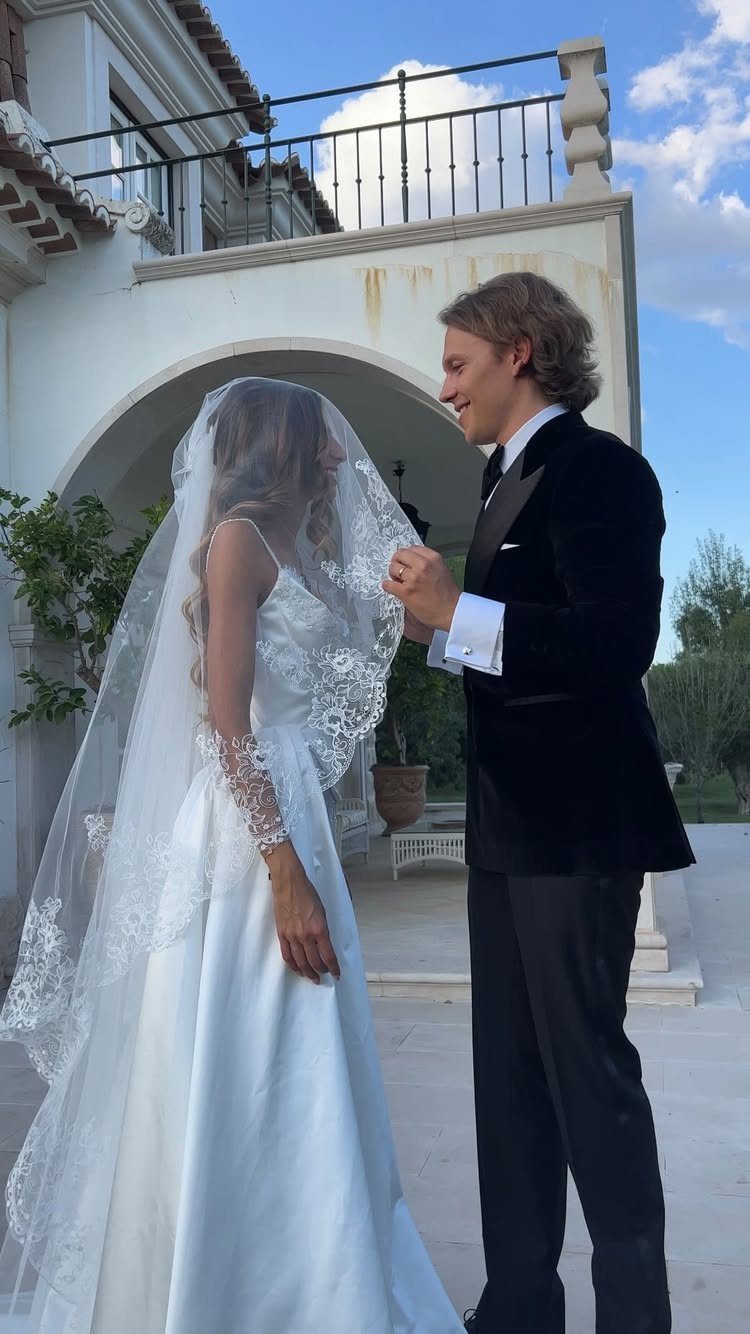
A blusher covers your full face and fastens at the crown, lifted by the groom after vows or before the kiss. The tradition carries weight; the practical question is whether your ceremony includes that moment.
If not, you are wearing opacity over your face for photos you spent months planning. Decide based on your ceremony’s actual shape, not the idea alone.

Wide Occasions - This star veil is perfect for wedding, bridal shower, photography, and pre-wedding events like engagement parties, bachelorette parties, etc
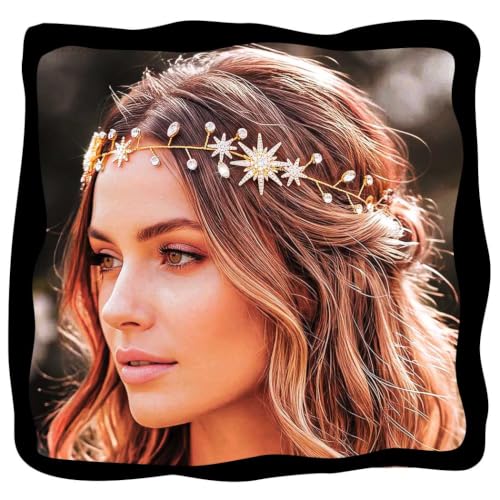
Premium Materials: Gold celestial bridal headbands crafted from durable alloy wire, pearls, and sparkling rhinestones for lasting beauty

Material: Black bridal wedding veil is made of 100% lightweight soft tulle with shiny star sequins on the surface. provide you the most charming look
6. Fingertip Veil
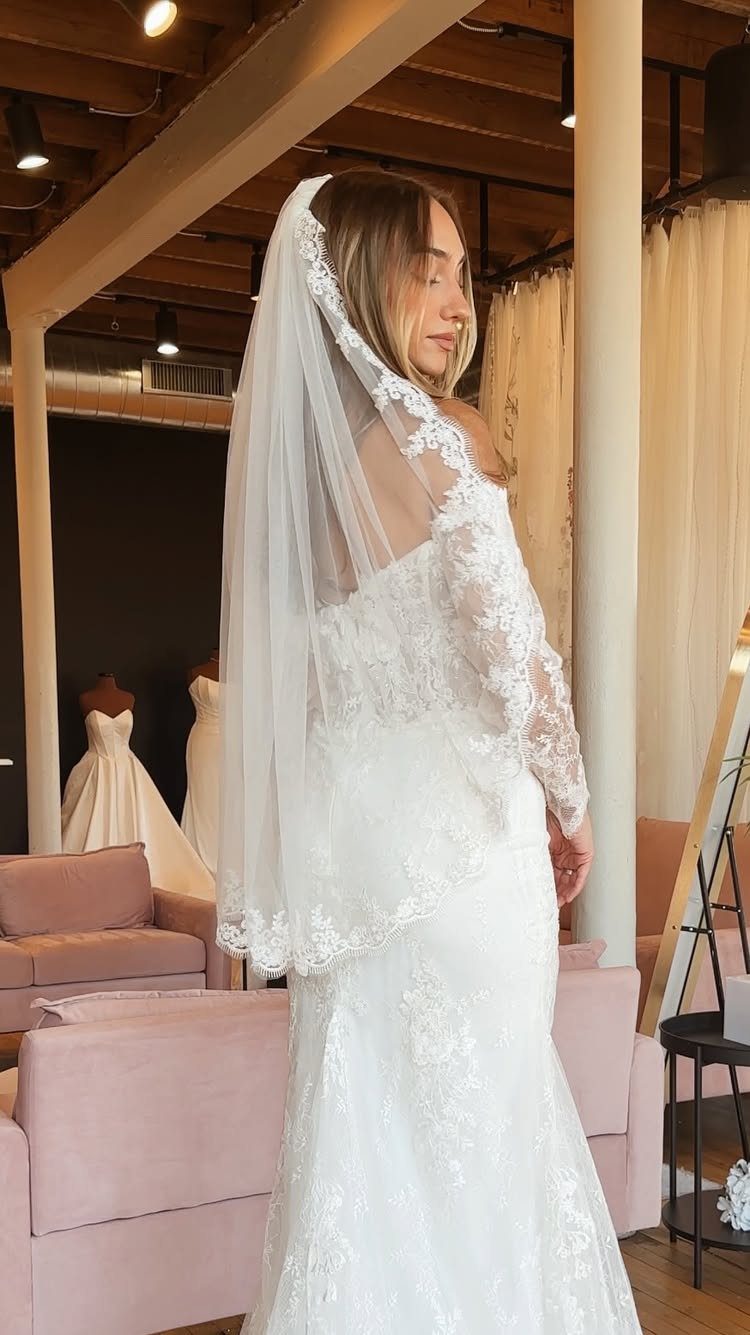
Fingertip veils hit at 38–40 inches, just past the hip.
This is the length I recommend when a bride cannot decide: it shows the back of your dress, stays clear of feet during dancing, and flatters almost every silhouette. No one trips.
No one steps on it. You get the veil in photos without the logistics of floor-length management.

Wedding Long veils is made of delicate tulle and quality hair comb

Veils for women wedding are made of tulle and metal comb,original from China.

Two lengths are available: chapel length 98.4 inch/250cm and cathedral length 118 inch/300cm. The width is 59 inch/150cm
7. Elbow Length
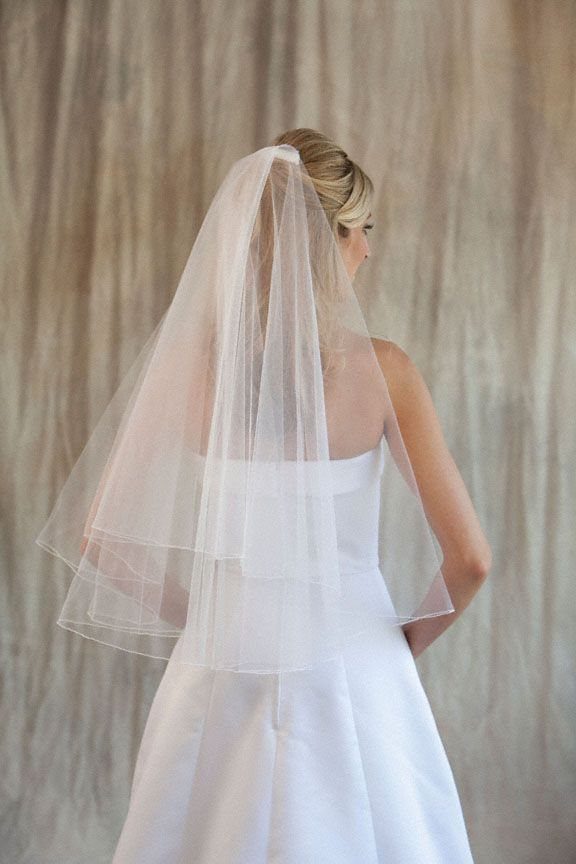
An elbow-length veil sits high on the crown and stops right at your elbows, which makes it the choice for brides who want movement without the train.
This length keeps your legs free and your aisle clear; nobody steps on anything, and you will not need a helper.
The style carries a retro feel that pairs naturally with shorter dresses or simpler silhouettes. It works best when you want the veil to frame your face and shoulders rather than compete with the back of your gown.

Veils for women wedding consist of tulle and metal comb,original from China.

Cathedral length:118"(Approx.300cm)Fullness:118"(Approx.300cm).

This lace veil is available in two lengths - 39 inches and 118 inches - and has a width of 63 inches. It is specially designed for weddings and can add a solemn atmosphere to the entire ceremony.
8. Types of Bridal Veils
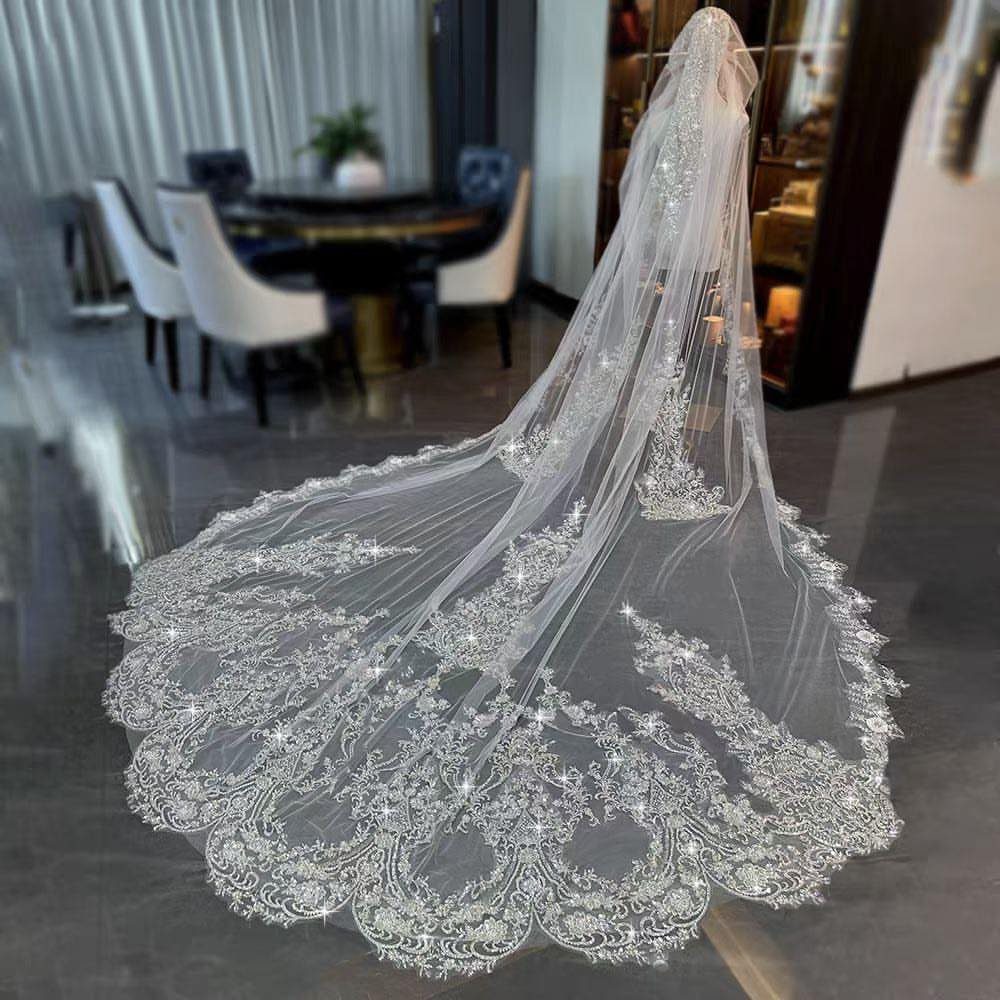
The names you hear in a bridal shop trace real differences in shape and how each veil is worn.
A birdcage uses stiff netting; a mantilla circles the head with lace edging; a drop veil has no gather at the comb so the fabric seems to float from nowhere.
Knowing the terms before you shop keeps you from nodding through descriptions you do not understand.
Your hairstyle changes where any of these can sit.
A chignon leaves different attachment points than loose waves, so bring photos of your planned style to your appointment. The right veil for your dress might sit wrong on the head you actually have that day.

Material: Short bridal veil made of mesh and pearls; which features ultra-soft and breathable, Lightweight and drapes nicely; ensure all-day comfort without irritation; fit that complements any outfit

Design: Veil headband adopts a retro mesh design, adding a sense of mystery and elegant to you and making you look charming

Elegant and Charming: Mesh design, elegant and fashionable, used to make veils to retain mystery, French decoration brings you eye-catching effects.
9. Lace Veil with Wedding Dress
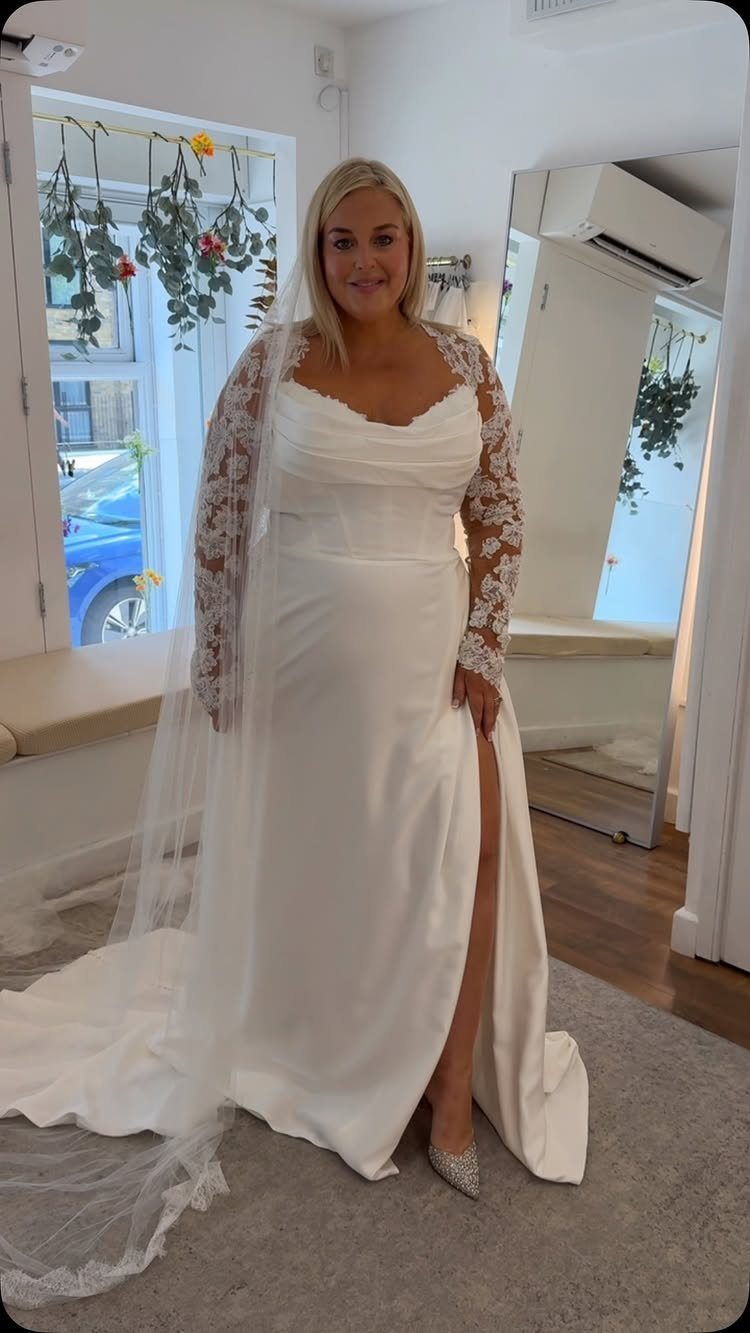
Lace on your veil should talk to lace on your dress, not shout over it.
When your gown carries heavy lace sleeves or a detailed bodice, a veil with a narrow lace trim along its edge repeats the motif without piling on more of the same pattern.
A lace veil works best when it echoes detail already in the dress rather than competing with it.
Tulle and silk are the other common veil fabrics, and either can work with lace if the weight matches.
A stiff tulle stands away from soft lace and looks wrong; a silk-weight tulle falls closer and reads as one gesture. Feel the samples together before you decide.

Elegant Layered Design: Features a double-layer structure with a shorter blusher and a longer back veil; creates a layered look around the face and shoulders; suitable for adding dimension and traditional bridal styling

Material and Lace Design: made of soft tulle, this lace wedding veil is lightweight and photographs flawlessly; Featured full-wrap floral lace along the whole edge instead of only the bottom, the delicate floral pattern creates elegant layered looks for any wedding dress

Veils for women wedding are made of tulle and metal comb,original from China.
10. Star Embellished Celestial Veil
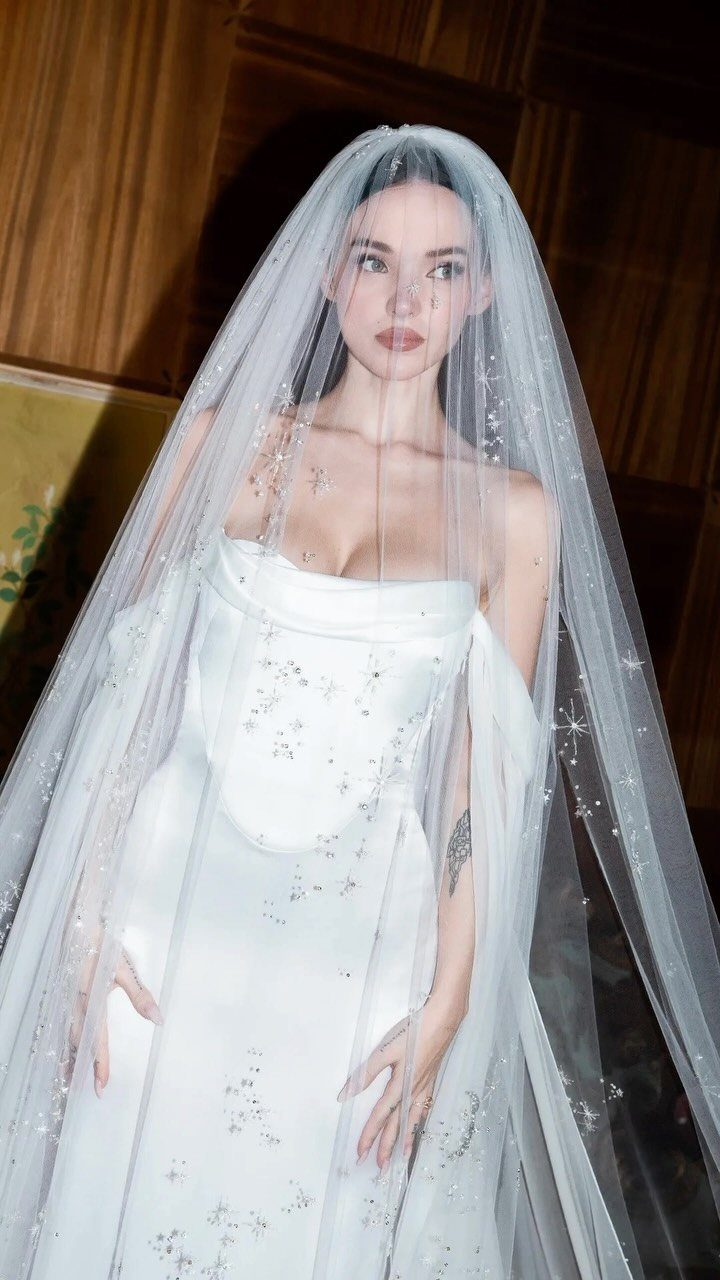
Star crystals scattered across sheer tulle turn your veil into its own light source when flash hits it.
Star embellishments read from a distance, so this veil needs a simpler gown that gives the stars room. A clean strapless dress is the right move here.
Check your venue lighting before you commit.
Outdoor afternoon sun catches crystals differently than dim chapel interior, so test your lighting before the day. Order a fabric swatch with the stars attached and move it under your actual wedding light.

White Ivory Wedding Bridal Veil: Perfect for any wedding, bridal shower, prom or special occasion.

Wedding veils made of soft and gentle tulle,alloy comb is sewn on the veil and easy to wear.elegant and simple tulle veil,fit of any beautiful bride or woman.

The overall length is 30.5"
11. Pearl Embellished Veil
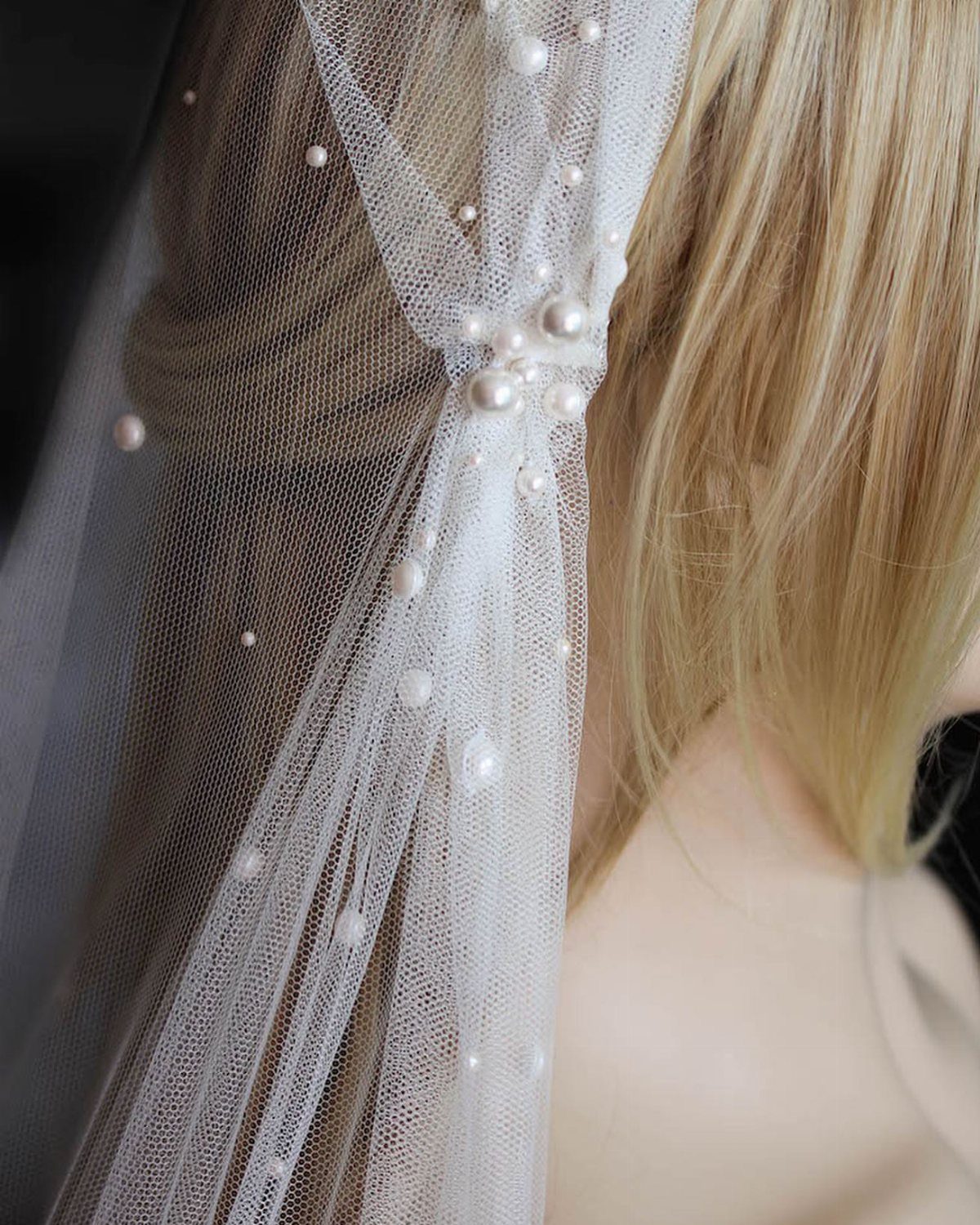
Small pearls sewn onto tulle read as texture from afar and become individual points of light up close. They suit a bride who wants something between plain and sparkle, a middle register that photographs soft without going metallic.
The weight of even small pearls changes how the veil hangs, so try it on with your hairstyle secured. Loose waves or a half-up style will sag under heavier embellishment; a firm updo carries it better.
Check that the pearl spacing looks even when the veil is draped, not just when it lies flat. Scattered pearls forgive movement more than a strict pattern would.
12. Off-the-shoulder Gown with Long Veil
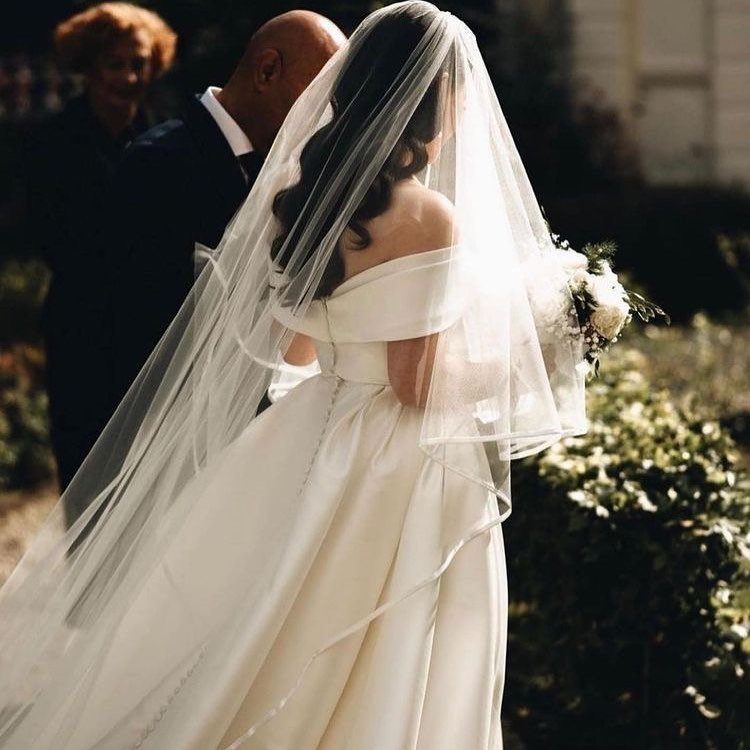
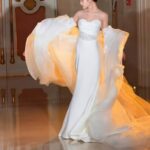
An off-the-shoulder neckline leaves your shoulders bare as a deliberate shape, and a long sheer veil continues that line upward without breaking it.
A sleek satin dress lets the veil add the only drama, which is why this pairing works. 2 competing statements would fight.
The long veil here is sheer enough that the shoulder line still reads through it in photos, which is the test.
A heavier or more opaque fabric would turn your silhouette into a block. Walk with it outdoors before the day; wind catches long sheer veils differently than structured trains, and you will want to know how it moves.
Practical Considerations
Your venue sets the real limits on veil length. Beach sand, grass, or uneven stone will grab a cathedral or chapel veil at every step; wind turns long sheer fabric into a sail you manage instead of enjoying.
For outdoor ceremonies, the shortest practical veil wins: fingertip, elbow, or birdcage lengths stay clear of ground and weather both.
Indoor spaces with level floors and still air give you the full range. Heat matters too: layered tulle against your back in a summer tent is its own discomfort, and you will feel it before the ceremony ends.
Match the veil to the least forgiving condition you will face that day, not the ideal version.
Veil Color Options
Matching your veil to your dress color exactly is the safe choice, and it works.
A slightly different shade adds depth the eye reads as dimension rather than mismatch: a warm ivory veil against a cooler white gown, or a soft champagne tulle against stark white satin.
The contrast should be intentional and close enough that it looks chosen, not like an error.
The fabric changes how color reads. Tulle layers sheer over sheer, so the dress color shows through and the veil color softens into a tone-on-tone effect.
Hold samples together in daylight, not just under shop lights. What reads as subtle inside can disappear outside, or shift in a direction you did not plan.
Choosing to Wear a Veil
Wearing a veil is not an obligation. Some brides choose it for the ceremony alone, removing it before the reception; some skip it entirely and let the dress speak without that frame.
The decision belongs to your own sense of what the day means, not to family expectation or to the idea that a bride looks incomplete without one.
If tradition draws you, the blusher carries the clearest ceremonial weight: the lift after vows or before the kiss is a gesture with history behind it.
Without that moment in your service, the blusher becomes fabric over your face for its own sake, and the choice weakens.
Style is the other reason, and it is enough.
A birdcage veil reads vintage; a cathedral veil reads formal drama. Decide which register suits you, then find the length and detail that belong there.
Consulting Professionals
A bridal stylist sees what you cannot: how a veil sits against your actual proportions, how the fabric weight works with your hair density, where the attachment point falls relative to your planned style.
Bring photos of your hairstyle, not just a description; "updo" covers too many variations for a useful guess.
Ask to see the veil in motion, not just in a mirror.
Walk, turn, sit. A stylist can spread a cathedral veil for the aisle, but you need to know how it behaves when you move through a doorway or lean to greet someone.
The same length that photographs as floating cloud can tangle in a chair leg or bunch at your waist when you sit.
If your shop does not carry the exact veil you want, they can order samples.
Try the fabric weight and attachment style before committing to a full order; the difference between silk tulle and standard nylon tulle changes how the veil hangs and how it feels against your neck for hours.
Frequently Asked Questions
Should I wear a veil with my wedding dress?
It is a personal choice, not an obligation.
Some brides wear one for the ceremony only, some for the whole day, and some skip it entirely. Tradition and style are both valid reasons, but neither should pressure you into wearing one you do not want.
Are brides wearing veils in 2026?
Veils are coming back, but the way brides wear them in 2026 has shifted: shorter lengths, colored tulle, and detachable pieces that come off before the reception are what I have been seeing in the real weddings I follow.
What it does make clear is that veil choice is driven by personal style and ceremony shape, not by any single trend year. Brides who want vintage register choose birdcage lengths; those wanting formal drama still choose cathedral.